
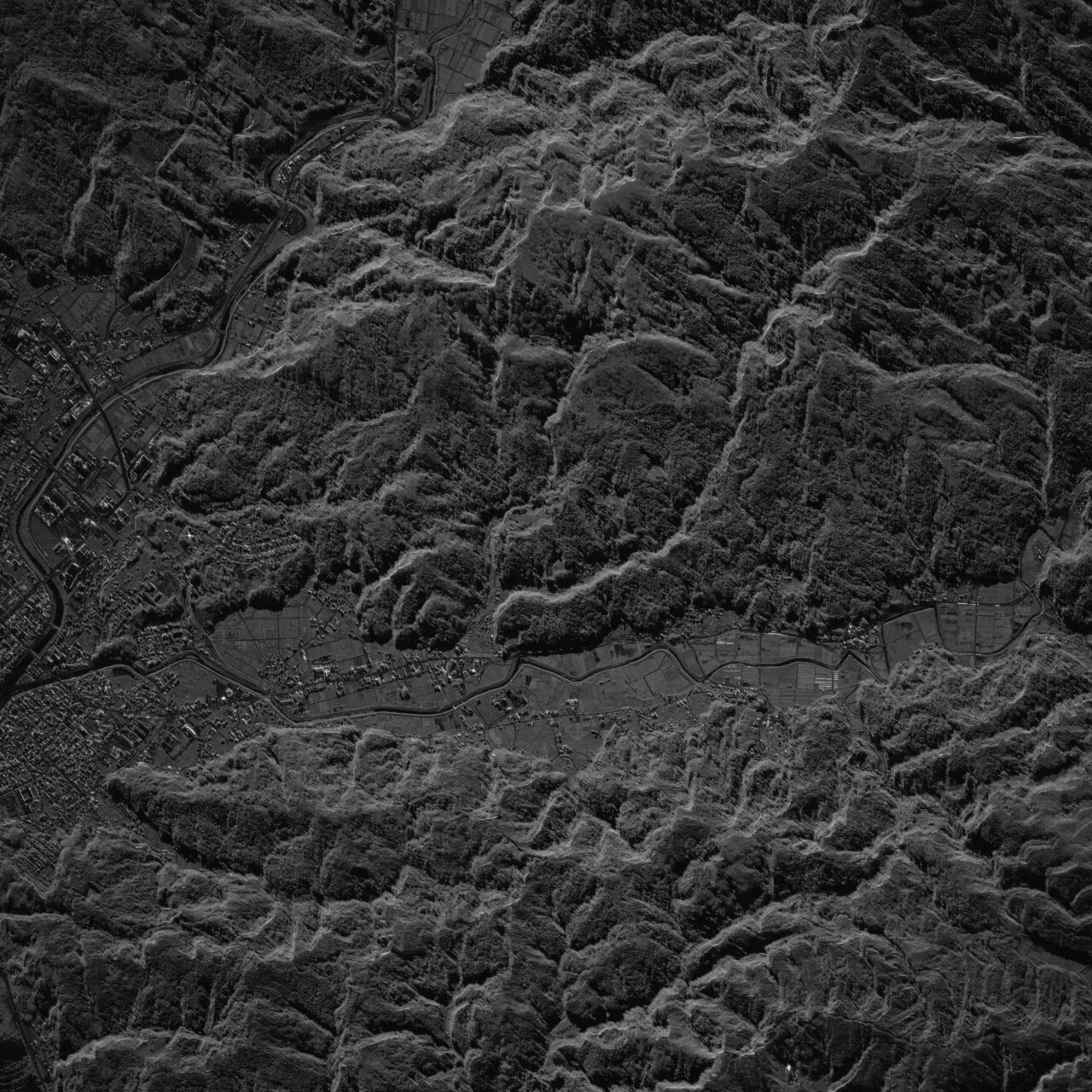
As families across Japan gathered for the first meal of the new year, a magnitude 7.6 earthquake ripped through the Noto Peninsula on the western coast of Honshu at just after 4 p.m. local time. The ground shook for a full minute in places, and within minutes the Japan Meteorological Agency issued its highest tsunami warning, urging coastal residents to climb to higher ground.
The quake collapsed wooden houses in the city of Wajima and cut off remote fishing villages along the peninsula’s rugged coast. A fire swept through Wajima’s historic morning-market district, and search teams worked through snow and darkness to reach people trapped beneath the debris. More than 240 people were confirmed dead, most of them elderly residents crushed in homes built before modern seismic codes.
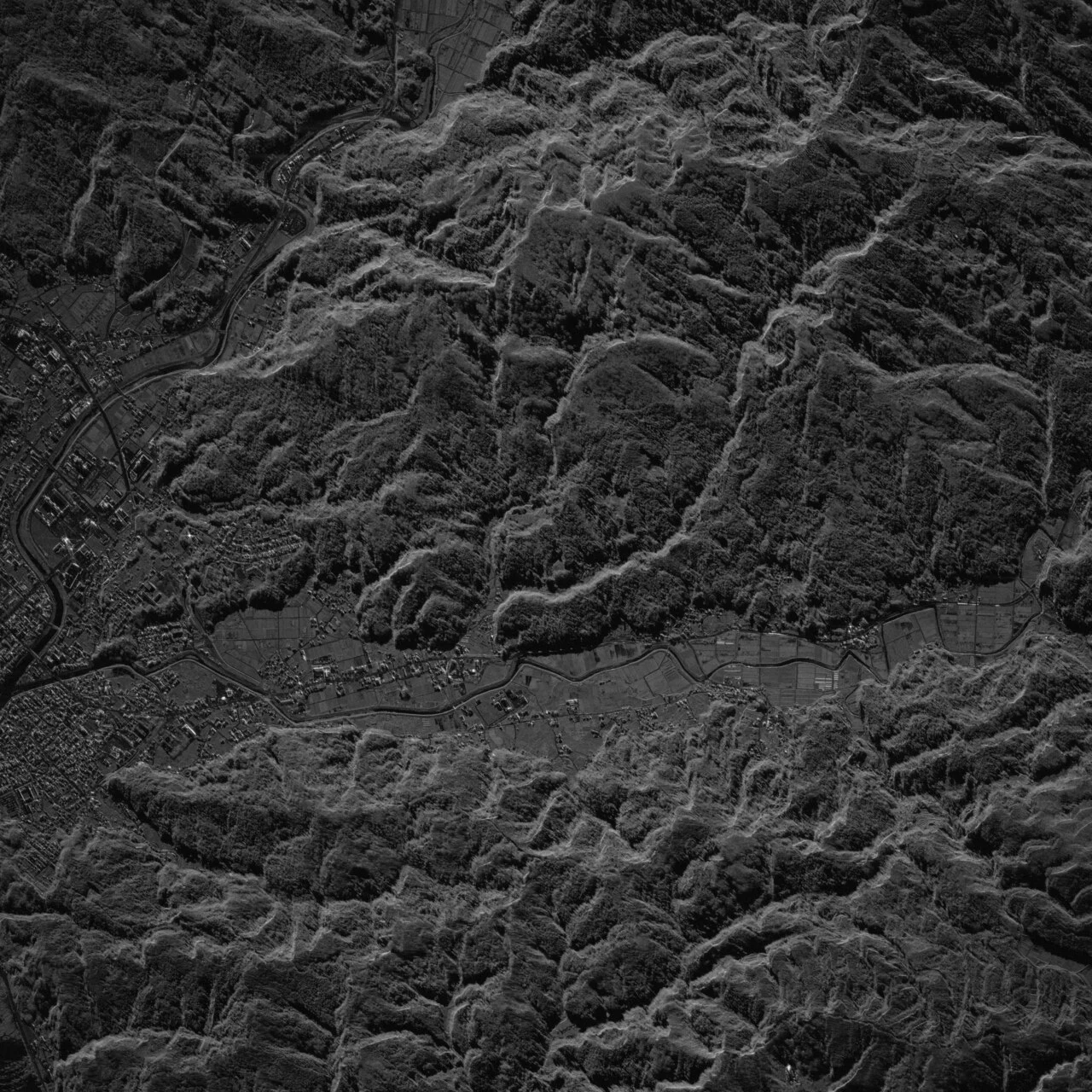
The disaster exposed a grim pattern that has followed Japanese earthquakes for decades: the resilience of modern infrastructure, but the vulnerability of older buildings in a rapidly ageing rural population. Months later, thousands of residents were still living in temporary housing, and the reconstruction of a coastline that had already been slipping toward the sea remains an open question for the country.