
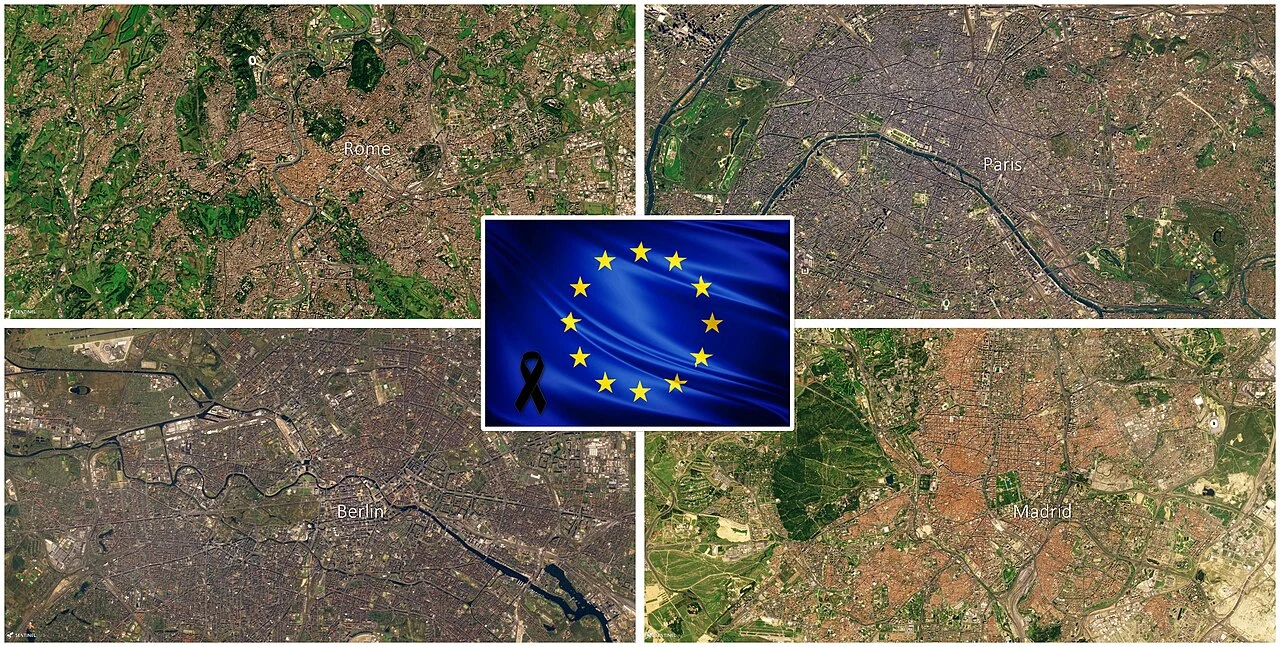
The 28 February 2025 confrontation in the Oval Office was, for Europe, a moment of terrible clarity. In a single televised exchange, the assumptions on which the continent had built its post-war identity, that the United States was its ultimate guarantor and that peace could be bought without paying for defence, were shown to be gone.
The response was immediate and, for the first time in decades, serious: emergency summits, pledges of rearmament, and the first real discussion of a European defence that did not depend on Washington. Whether the money arrives and the weapons are built will determine whether the rhetoric becomes reality, but the direction of travel was unmistakable.

There is a temptation to read all this as tragedy, the end of the comfortable European dream. There is another way to read it: as the beginning of the adulthood the continent has postponed since 1945. The bill for security, like the bill for the welfare state, was never really going to be free. Europe is being asked, at last, to write the cheque, and to decide, in the writing, what kind of power it wants to be.