
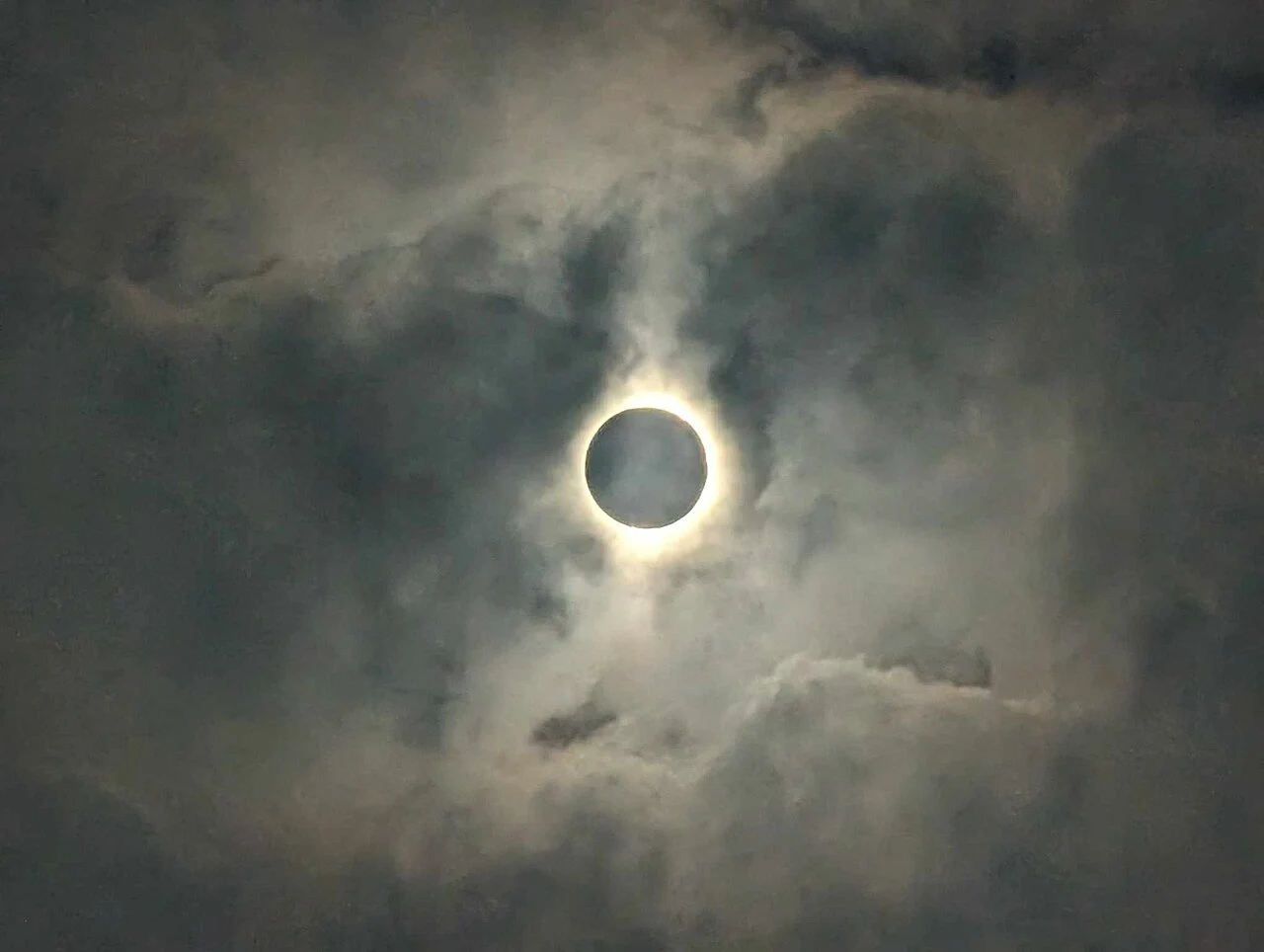
The moon’s shadow began crossing the Pacific Ocean and swept ashore near Mazatlán, Mexico, shortly before 11 a.m. local time on 8 April 2024. For the next two hours it travelled northeast across Texas, the American Midwest and the Northeast before exiting through the Maritime provinces of Canada, giving cities along a 185-kilometre-wide path up to four minutes of totality.
It was the first total eclipse visible across such a large slice of North America since 2017 and the last one in the region until 2045. Schools closed in many districts, hotels along the path booked out months in advance, and towns that prepared for crowds saw their populations temporarily double as viewers with certified glasses gathered in parks, stadiums and small-town main streets.
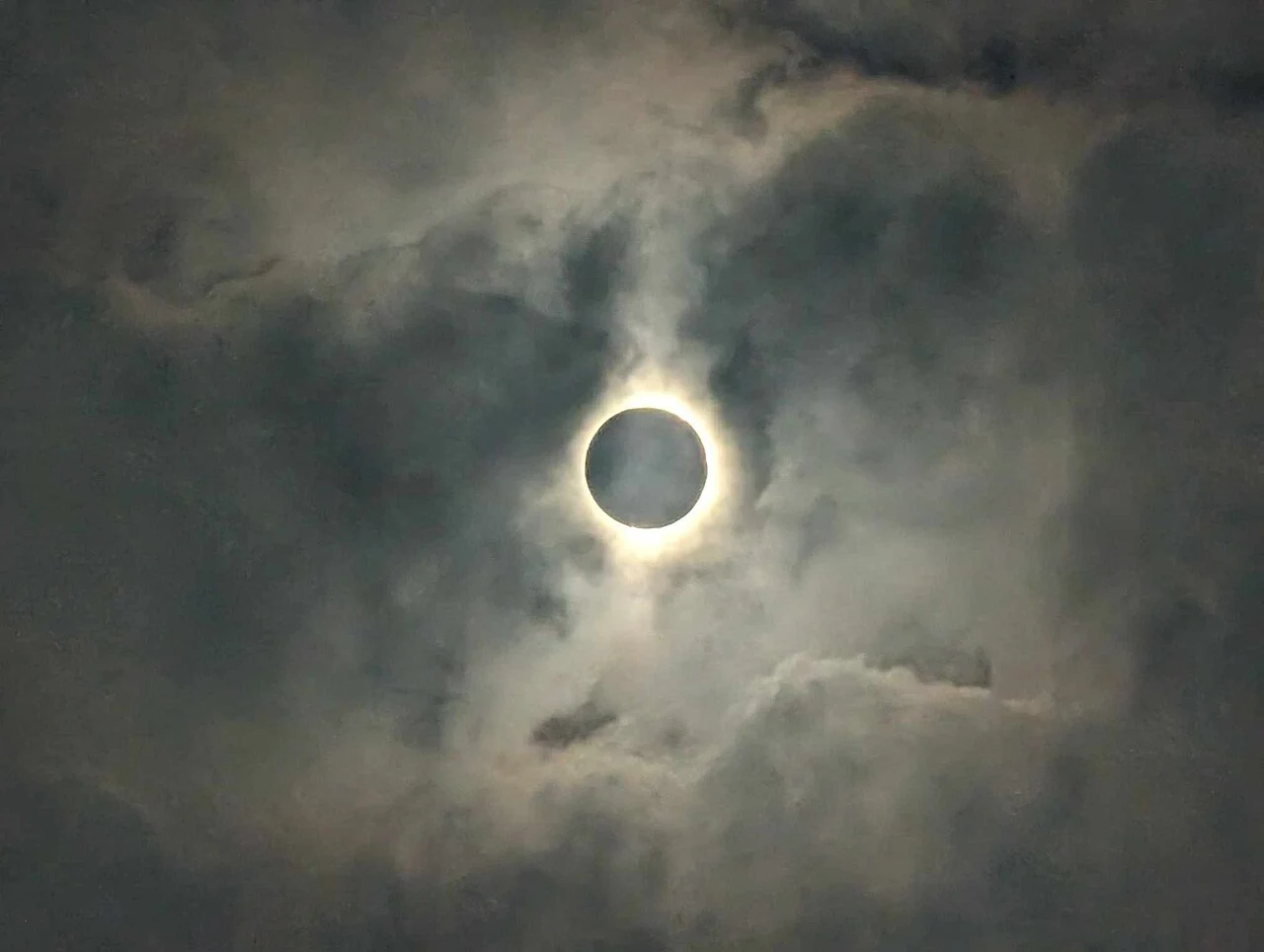

Scientists used the event to study the sun’s corona, and NASA launched research rockets and aircraft to chase the shadow. But the eclipse also became a shared civic moment, a reminder that a predictable natural spectacle could still stop a continent, briefly, in its tracks.