
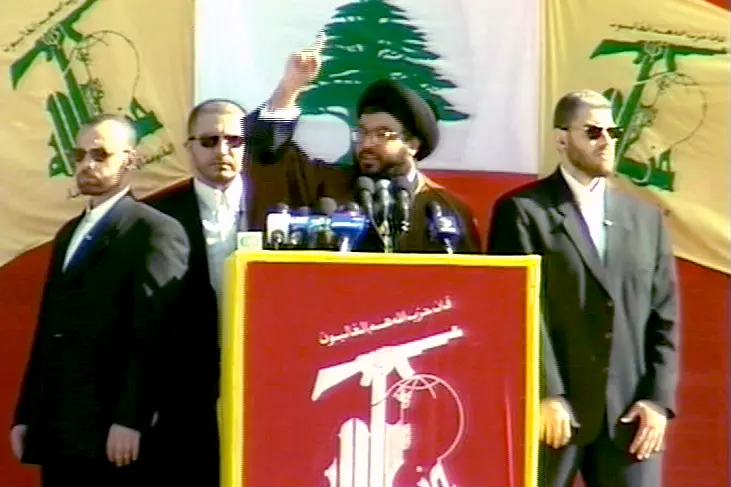
On 27 September 2024, Israeli jets dropped bunker-busting bombs on Hezbollah’s underground headquarters in Beirut’s southern suburbs, killing Hassan Nasrallah, the group’s secretary-general and Iran’s most powerful Arab proxy. The strike came ten days after the pager attacks had decapitated the group’s communications network and days after Israel had assassinated much of its senior command.
Nasrallah had led Hezbollah for 32 years, transforming a small militia into a state-within-a-state and an army that had fought Israel to a standstill in 2006. His death, announced by Hezbollah on 28 September, was a strategic shock: the group’s leaders were being eliminated faster than they could be replaced, and its decades-long deterrent image was shattered.
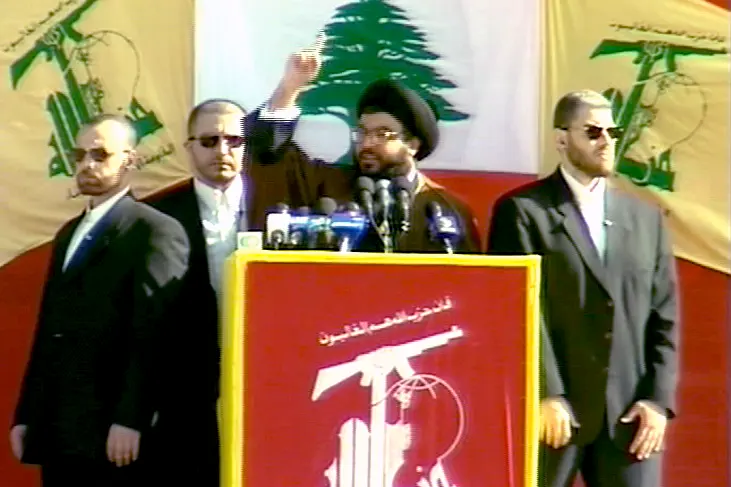

The assassination did not end the war, but it reordered the Middle East. Iran, humiliated and exposed, responded weeks later with a ballistic missile barrage on Israel, while Israeli forces pushed a ground offensive into southern Lebanon. Nasrallah’s killing was one of the most consequential single strikes of the decade, a reminder of how far targeted operations could go in reshaping a regional balance of power.