
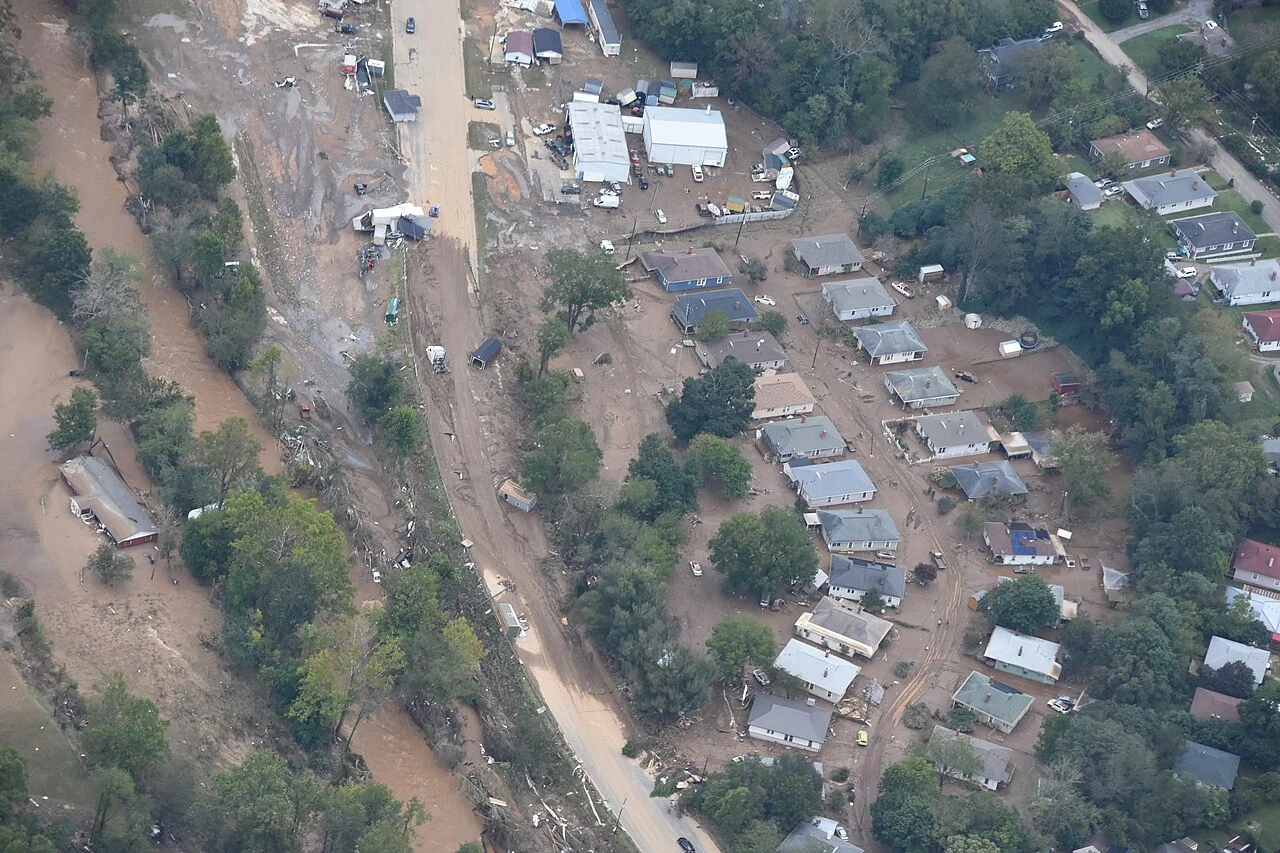
Hurricane Helene made landfall near the mouth of the Aucilla River on Florida’s Gulf Coast on 26 September 2024 as a category 4 storm with winds near 225 kilometres per hour. But it was not the coast that would bear the worst of its fury: the storm raced inland and stalled over the southern Appalachian mountains, unleashing torrential rain that turned creeks into raging rivers.
In western North Carolina, the city of Asheville and surrounding towns were cut off for days as flash floods demolished roads and bridges and destroyed entire neighbourhoods. Storm surge and flooding killed more than 200 people across Florida, Georgia, the Carolinas, Virginia and Tennessee, making Helene the deadliest hurricane to hit the US mainland since Katrina in 2005.
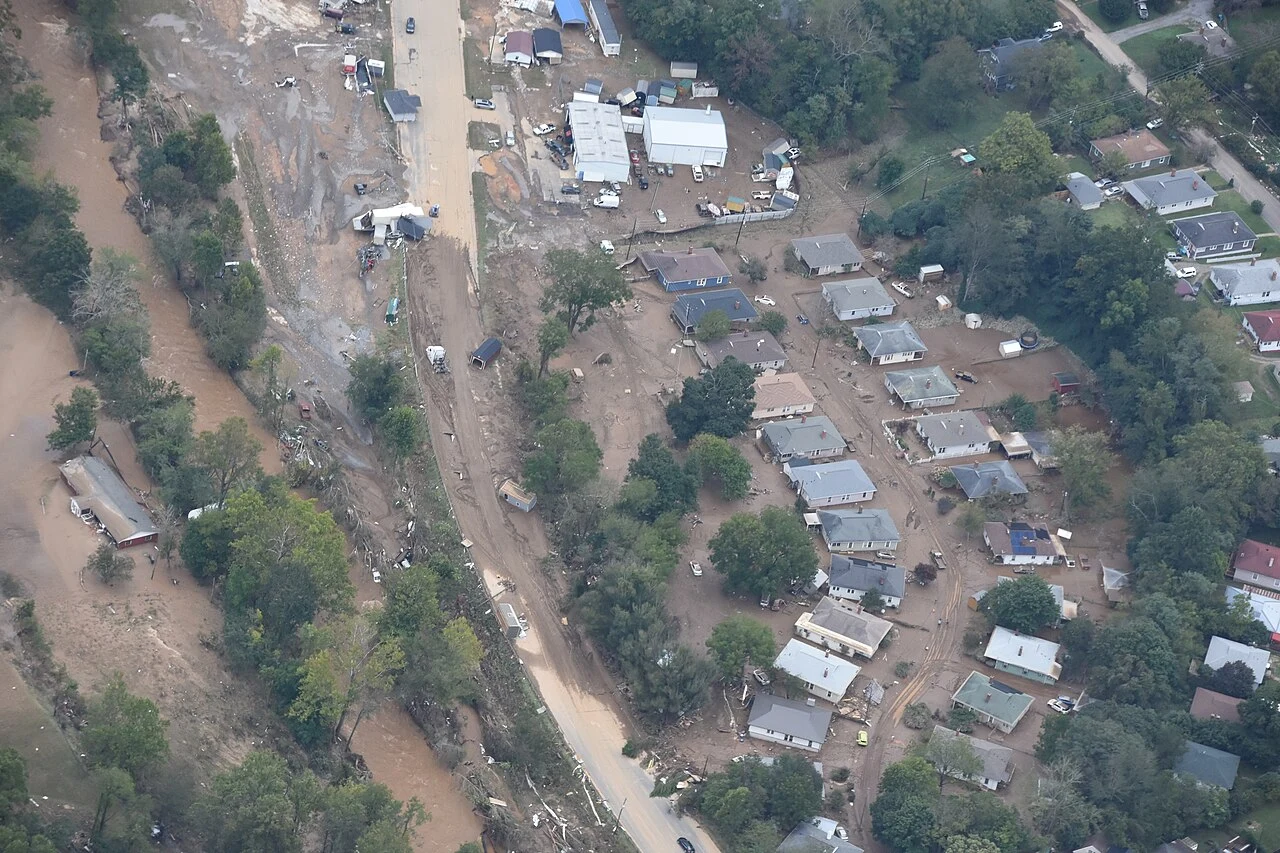

The disaster exposed how warming oceans are supercharging storms and how mountainous communities, long considered safe from hurricanes, have become new ground zero. It also ignited a fierce political argument about storm warnings and federal aid, one that folded into the broader climate and emergency-management debates of the 2024 election season.