
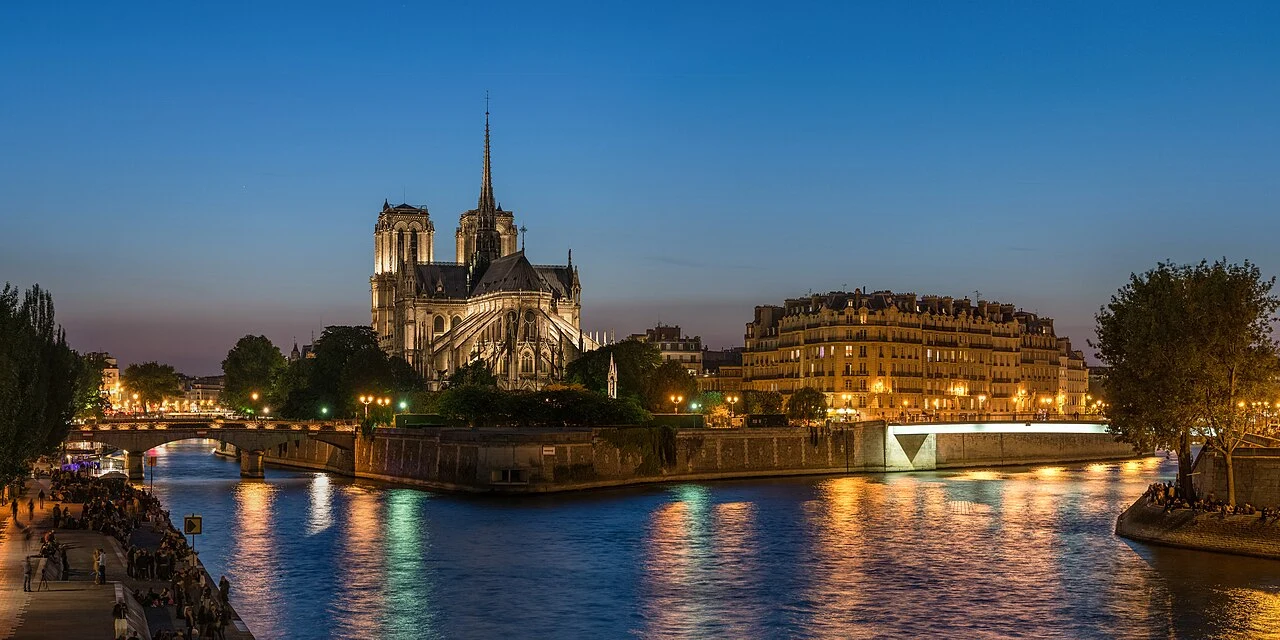
On 7 December 2024, five years and seven months after a fire tore through its roof, Notre-Dame Cathedral reopened to the world. Under a wet grey sky, President Emmanuel Macron stood outside the cathedral as the great bell tolled and the Archbishop of Paris knocked three times on the door, a ritual that marked the return of one of the world’s most visited monuments.
The restoration was an engineering and human marvel: more than a thousand craftspeople, carpenters, stonecutters and gilders rebuilt the collapsed spire, the roof and the transept, working to a deadline most experts had dismissed as impossible. The interior, cleaned of centuries of grime, revealed its stone in a bright limestone glow that had not been seen for generations.
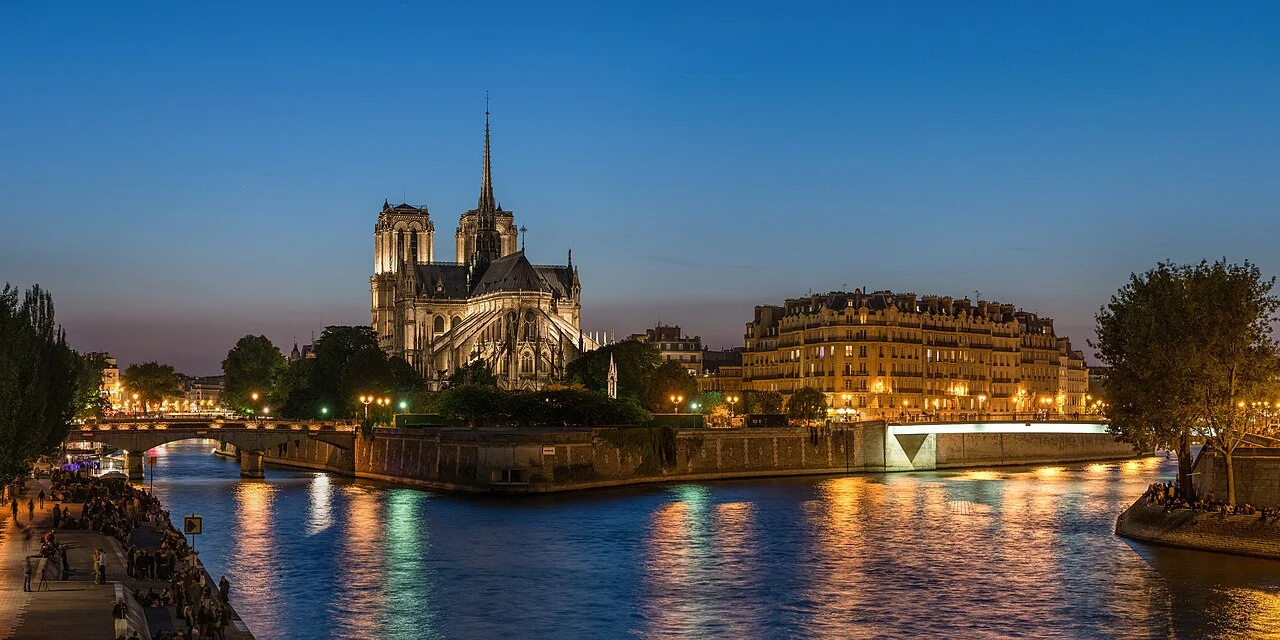

The ceremony, attended by dozens of heads of state including US president-elect Donald Trump, was a moment of national pride for France. Notre-Dame’s rebirth, paid for by €850 million in donations from 150 countries, became a symbol of resilience, and its reopening marked the return of worship, art and pilgrimage to a building that had seemed lost to flame.