
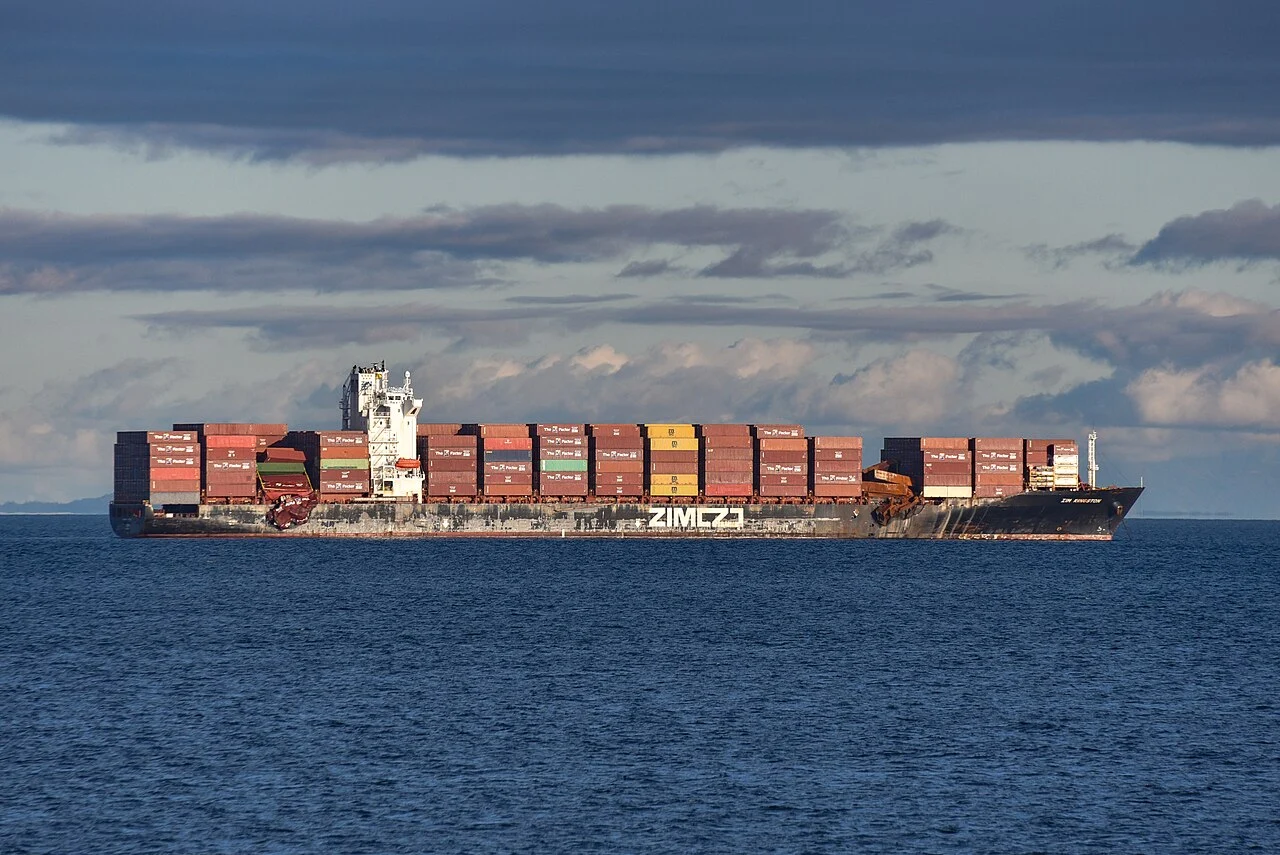
On 2 April 2025, from the White House Rose Garden, President Trump announced a radical new architecture for world trade: a 10 percent tariff on all imports to the United States, plus higher reciprocal levies on dozens of countries, from 20 percent on the European Union to 34 percent on China. He called the announcement Liberation Day, framing it as the end of America being taken advantage of.
The announcement, which economists immediately called the largest single increase in US trade barriers in a century, sent global markets into turmoil. The S&P 500 suffered its worst week since the pandemic, and economists warned that the tariffs could add thousands of dollars in costs to the average American household while decimating export-dependent economies from Vietnam to Germany.
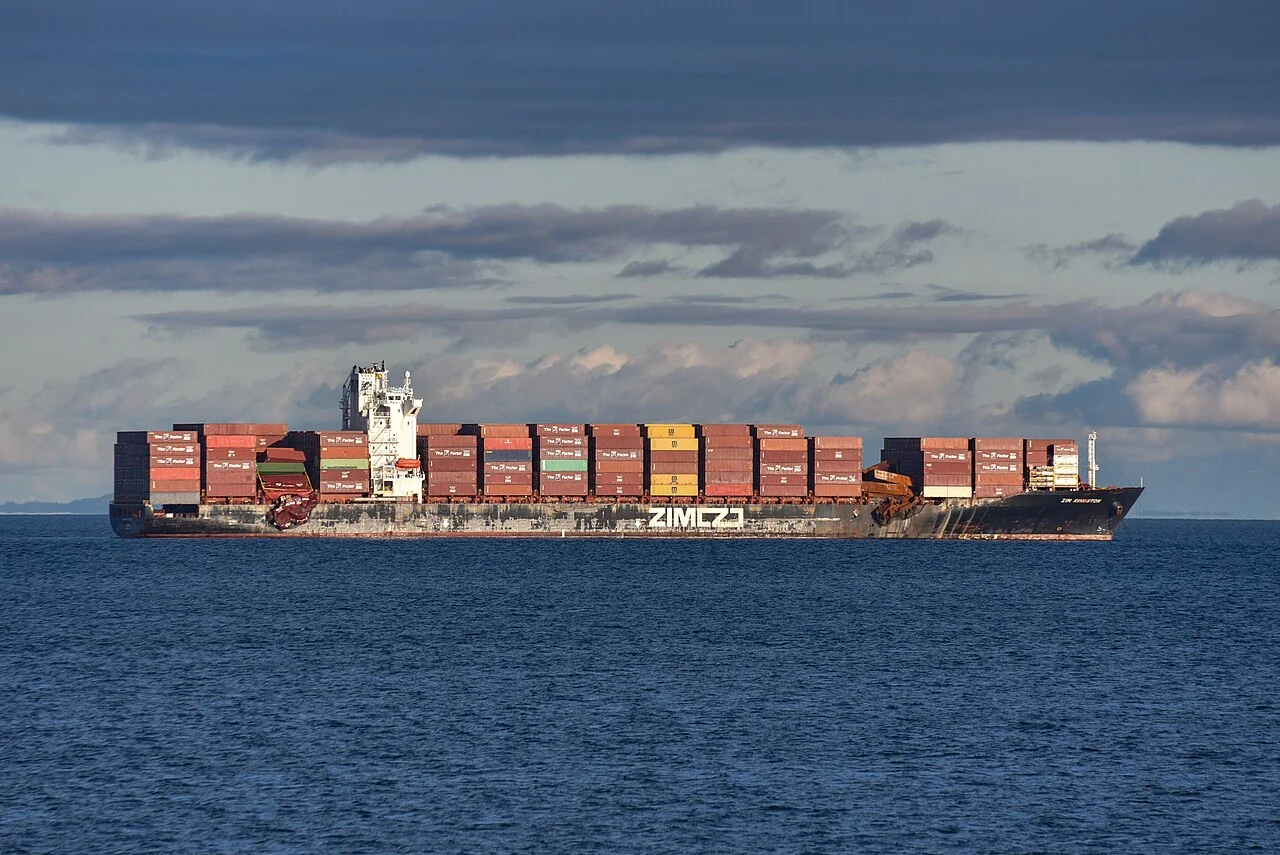

The policy, built on a theory that tariffs would force companies to build factories in America, quickly became the defining gamble of the second Trump term. Days later Trump added a 50 percent surcharge on China in a spiralling escalation, before a partial 90-day pause rattled the world again. Whether the boldest trade experiment of the modern era would remake the economy or wound it remained, weeks later, an open and urgent question.