
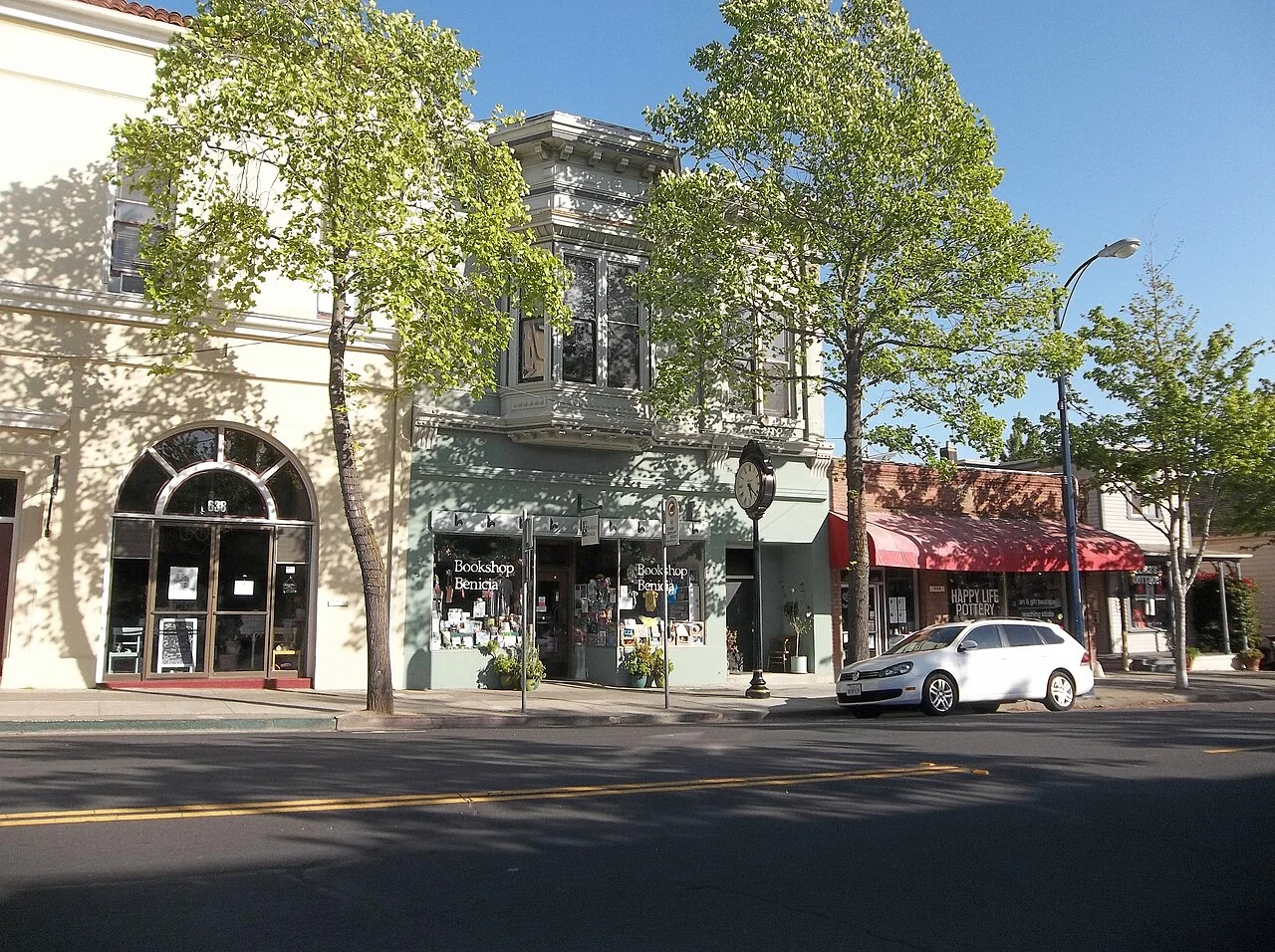
In July 2024, the bookselling industry recorded a small but significant landmark: the number of independent bookshops in the United Kingdom had grown for the first time in more than twenty years, with dozens of new stores opening in towns that had lost their last bookseller a generation earlier.
The revival was driven by a combination of forces: the BookTok-fuelled reading boom, the resilience of physical books against digital rivals, and a renewed public appetite for high-street spaces that felt like community institutions rather than algorithms. The new shops often specialised, in poetry, science fiction, children’s books, or the books of their own region, and many doubled as cafés, venues and meeting places.
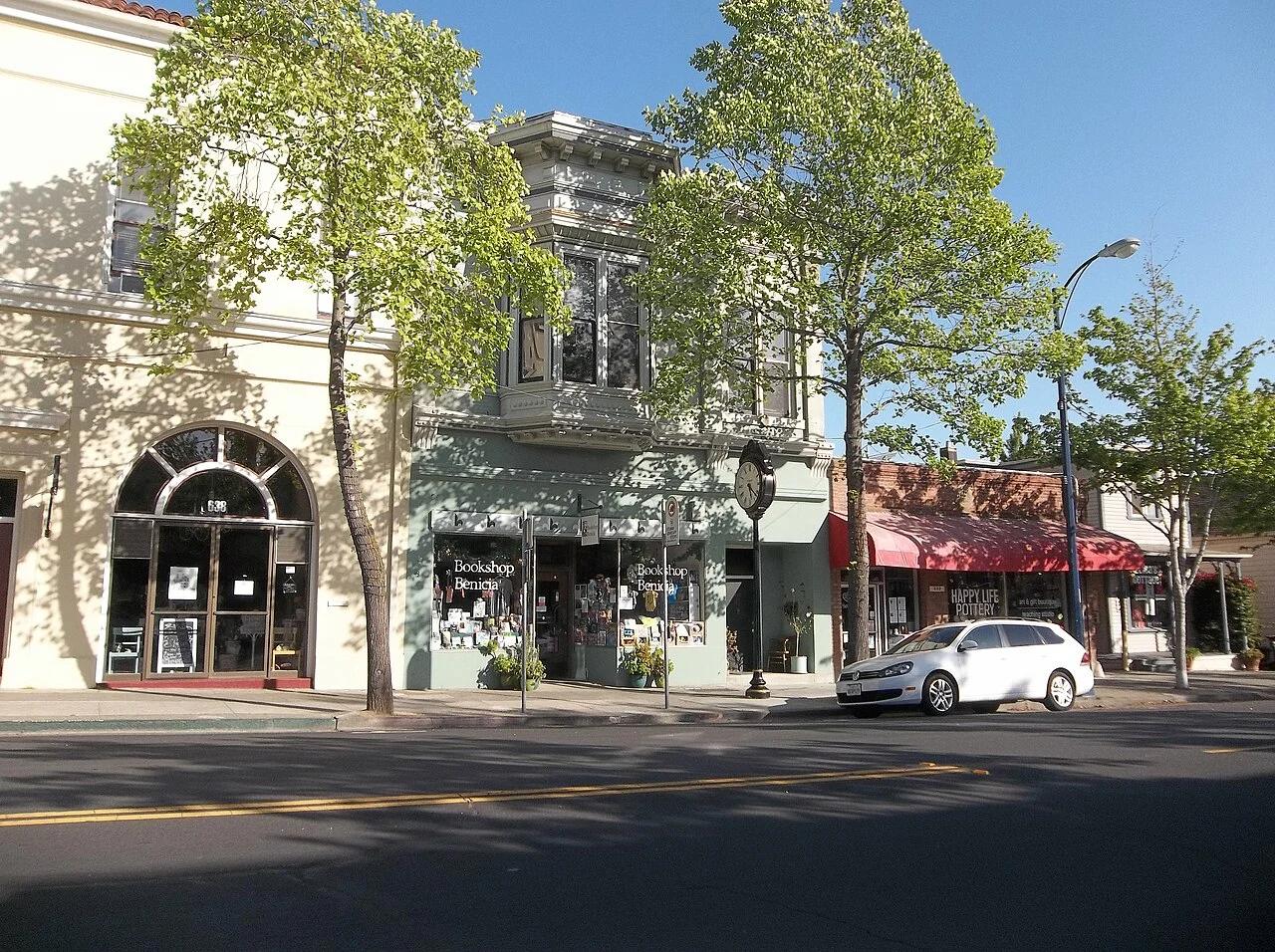

The trend was far from universal, with rural areas still struggling, but the shift confounded predictions that the physical bookshop was a doomed species. It reflected a deeper cultural movement, a longing for places built around slowness, recommendation and human encounter, and it suggested that even the most analogue of institutions could be reborn in the most digital of decades.