
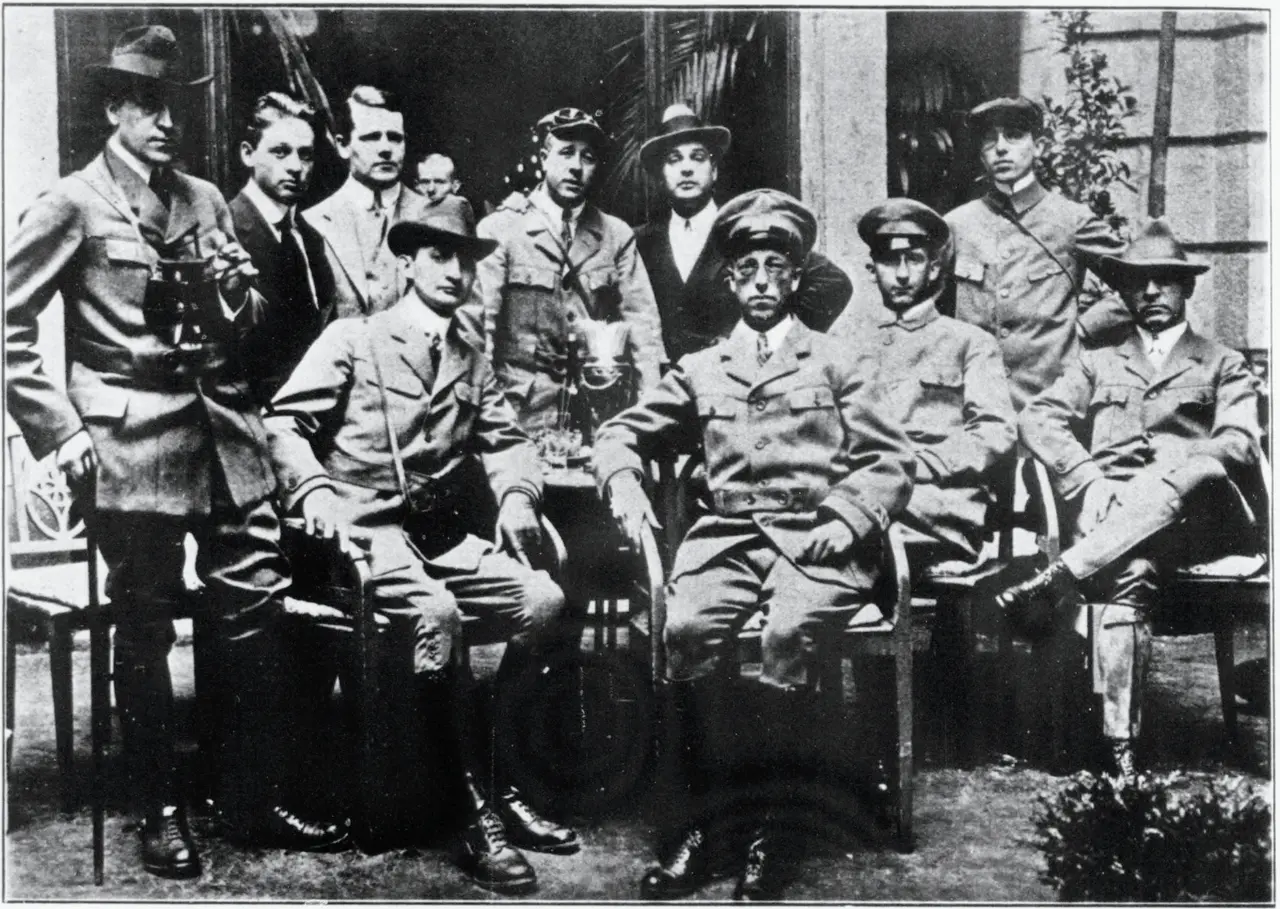
Through the first half of 2024, a series of documentary films and series turned away from the map-room view of modern conflict and toward its human terrain, following medics in Gaza, drone operators in Ukraine, and the families left behind in a dozen forgotten wars. The form had become the essential archive of a violent decade.
Films like 20 Days in Mariupol, which went on to win the Oscar for best documentary, used the footage shot by Ukrainian journalists under siege to make the abstractions of war statistics feel unbearably concrete. The work was often made at enormous personal risk, by crews who had chosen to stay while others left, and its power lay precisely in that choice.
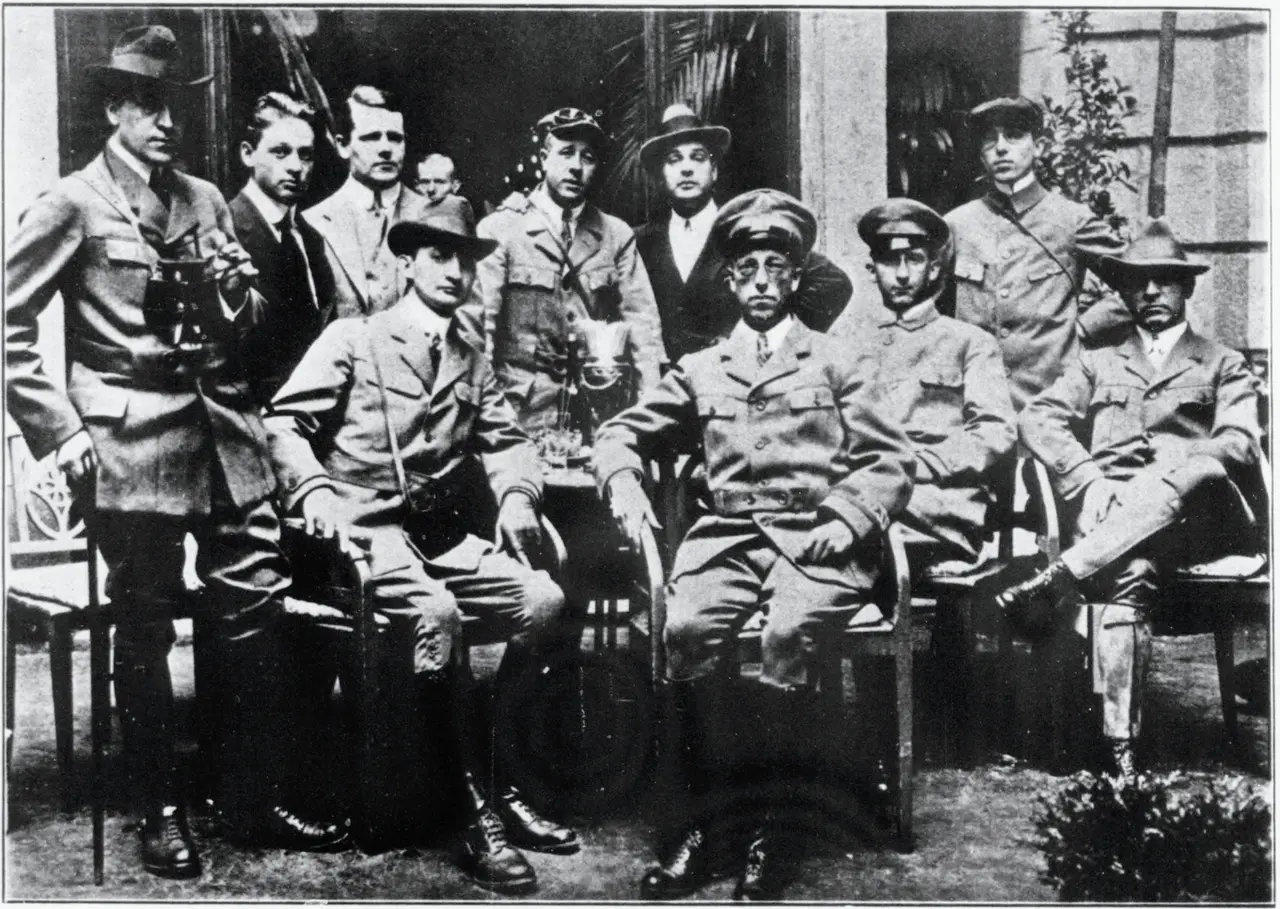

The genre’s growth raised urgent questions of ethics and duty: what audiences owe to the people whose suffering they watch, whether the camera changes what it records, and whether a world saturated with images of violence becomes numb or awake. For the filmmakers, the answer was usually the same: the point was not to be watched, but to be remembered.