
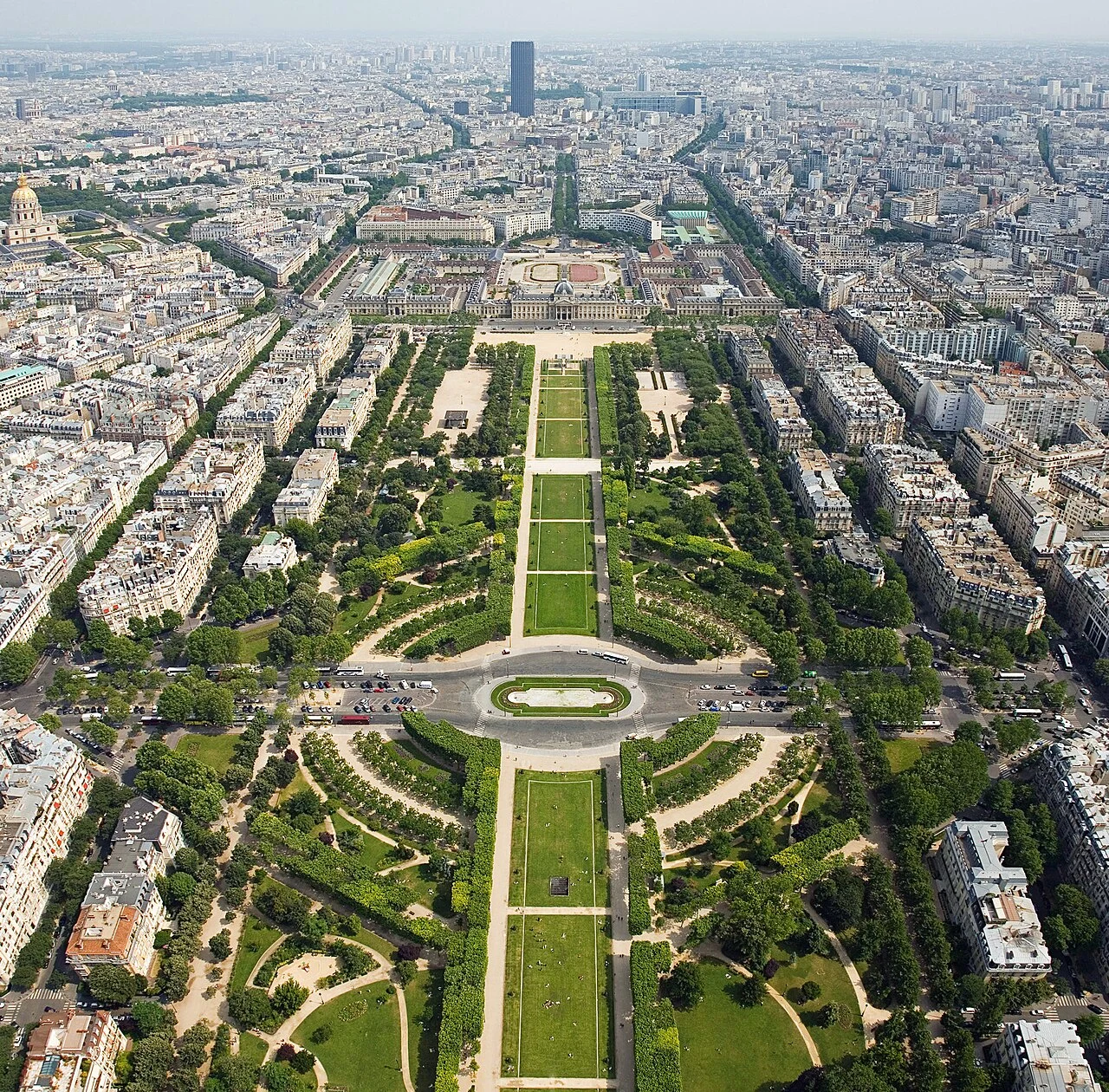
For sixteen days in the summer of 2024, Paris demonstrated that the Olympics did not have to be a monument to gigantism. The Games were built almost entirely from existing venues and temporary structures, the opening ceremony took place on a river rather than a stadium built for the purpose, and the city’s daily life continued around a competition embedded in its streets.
The result was something the modern Olympics had rarely managed: an event that felt less like a military deployment and more like a city festival. Athletes competed against the most beautiful backdrop the Games have ever had, and the crowds, half of them women, reflected a society the movement had spent a century pretending to be.
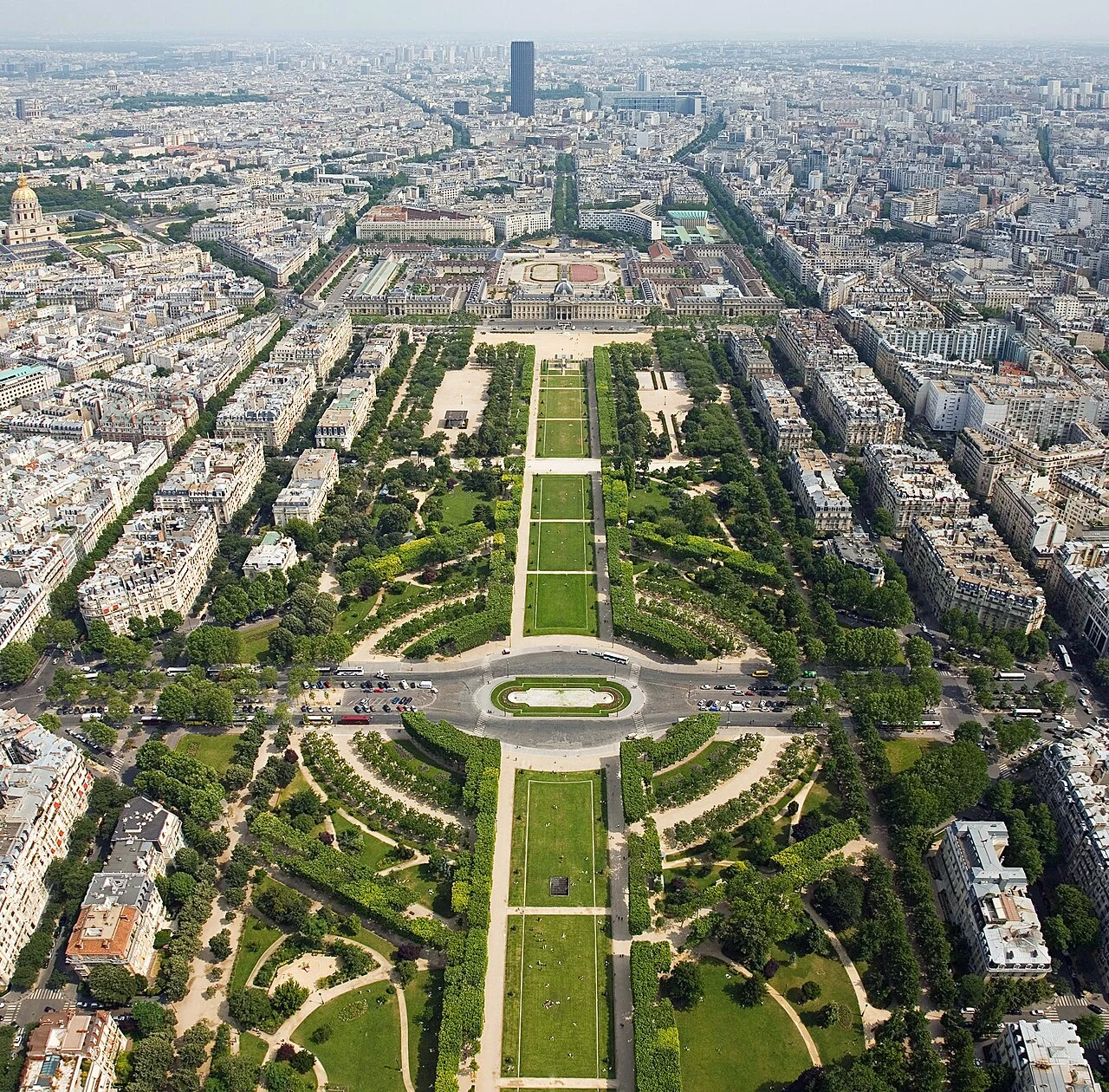

The closing ceremony left a question hanging over the movement: whether Paris was the exception or the template. The forces that had made the Games monstrous, the sponsorship, the security, the scale, are still there, and the next host will face the same temptations. But Paris showed the alternative is possible, and that is a more radical idea than any medal count.