
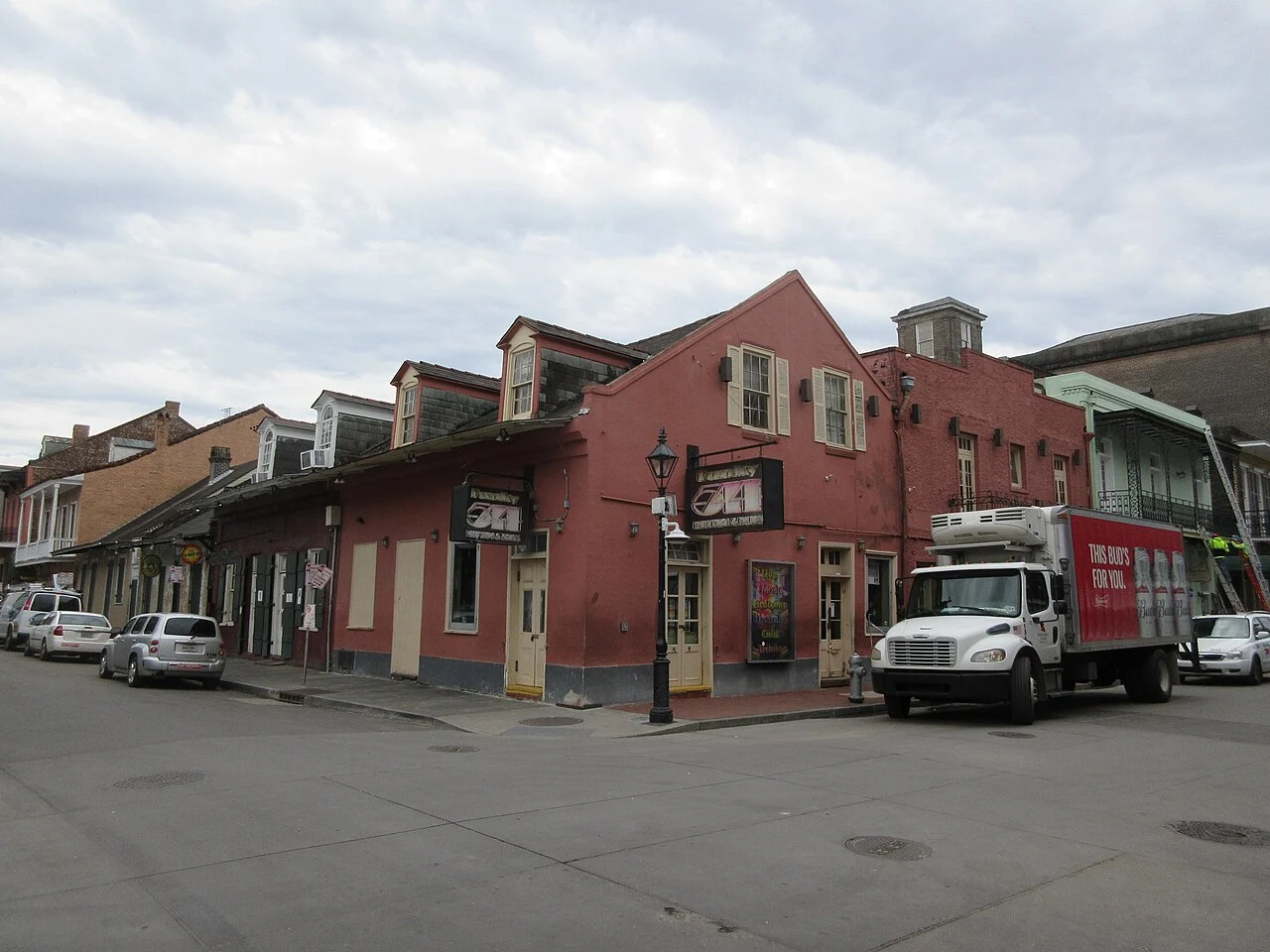
In the early hours of 1 January 2025, as thousands of revellers celebrated the new year on Bourbon Street in New Orleans, a man drove a rented pickup truck at speed into the crowd, killing 14 people and injuring dozens more. The driver, Shamsud-Din Jabbar, a 42-year-old US citizen and Army veteran, was shot dead by police after an exchange of gunfire.
The FBI said Jabbar had pledged allegiance to the Islamic State, and an ISIS flag was found on his truck. Hours earlier, in the same city, he had set fire to his rented property in a bid to destroy evidence. The attack came just weeks after a similar truck attack at a German Christmas market, and it hit a city still recovering its tourism economy after years of covid and hurricane disruption.
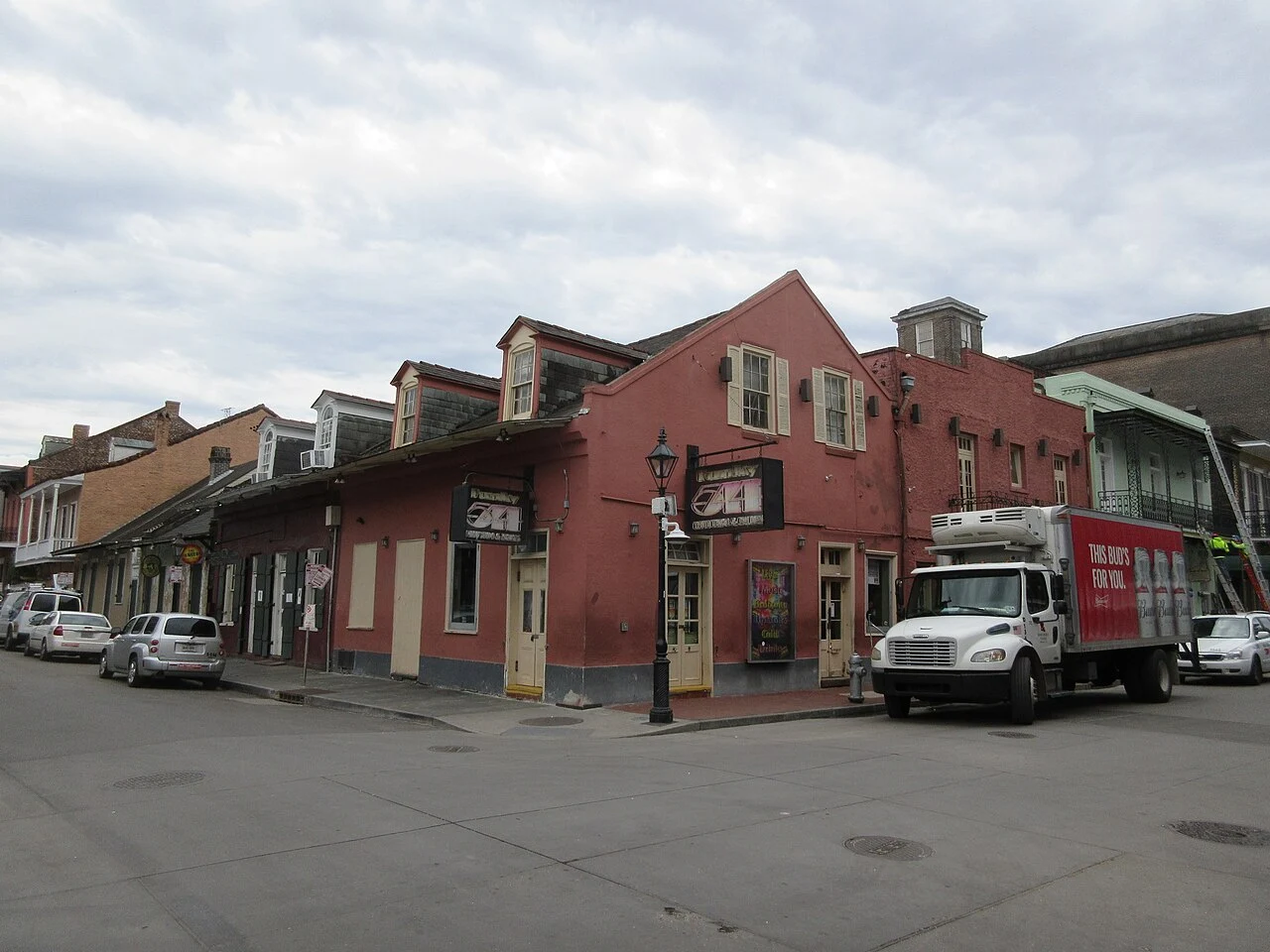

The attack, which claimed its 14th victim in the days that followed, prompted a national debate about bollards, perimeter security and festival safety, and it clouded what should have been a triumphant moment: the city was days away from hosting the college football championship. For New Orleans, the tragedy reopened old wounds about how a city famous for celebration also bears an outsized share of American violence.