
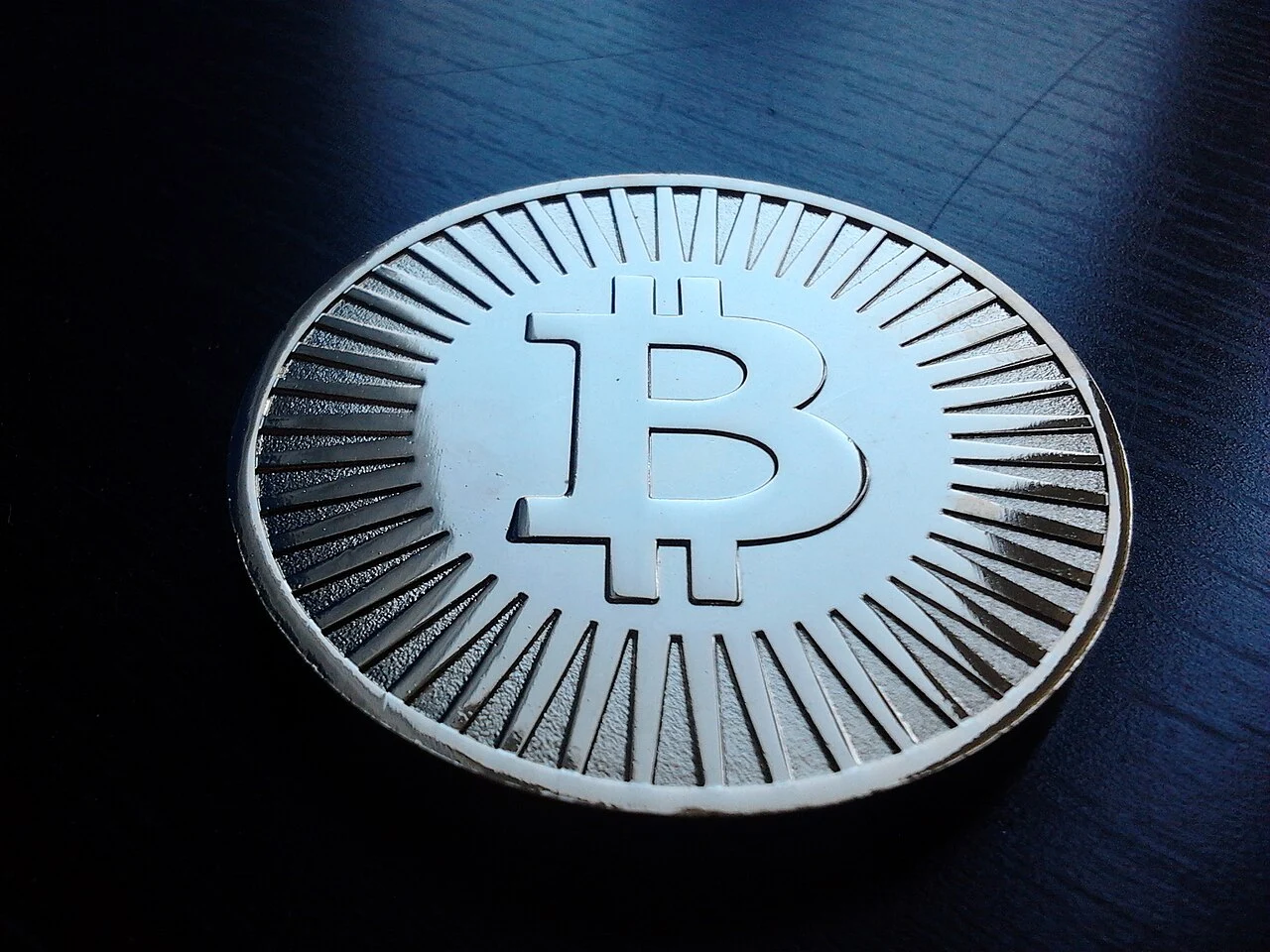
On 5 December 2024, Bitcoin crossed $100,000 for the first time, a milestone that would have seemed absurd to many investors only a few years earlier. The cryptocurrency, created in 2009 as an experiment in digital money, had spent years oscillating between mania and near-collapse; now it had entered the establishment.
The catalyst was political. Donald Trump, who had once called crypto a scam, had made winning over digital-asset investors a pillar of his campaign, promising friendly regulation and a strategic bitcoin reserve. His victory in November, combined with the launch of approved bitcoin exchange-traded funds in January that had let ordinary investors buy the asset through their brokerage accounts, ignited the rally.
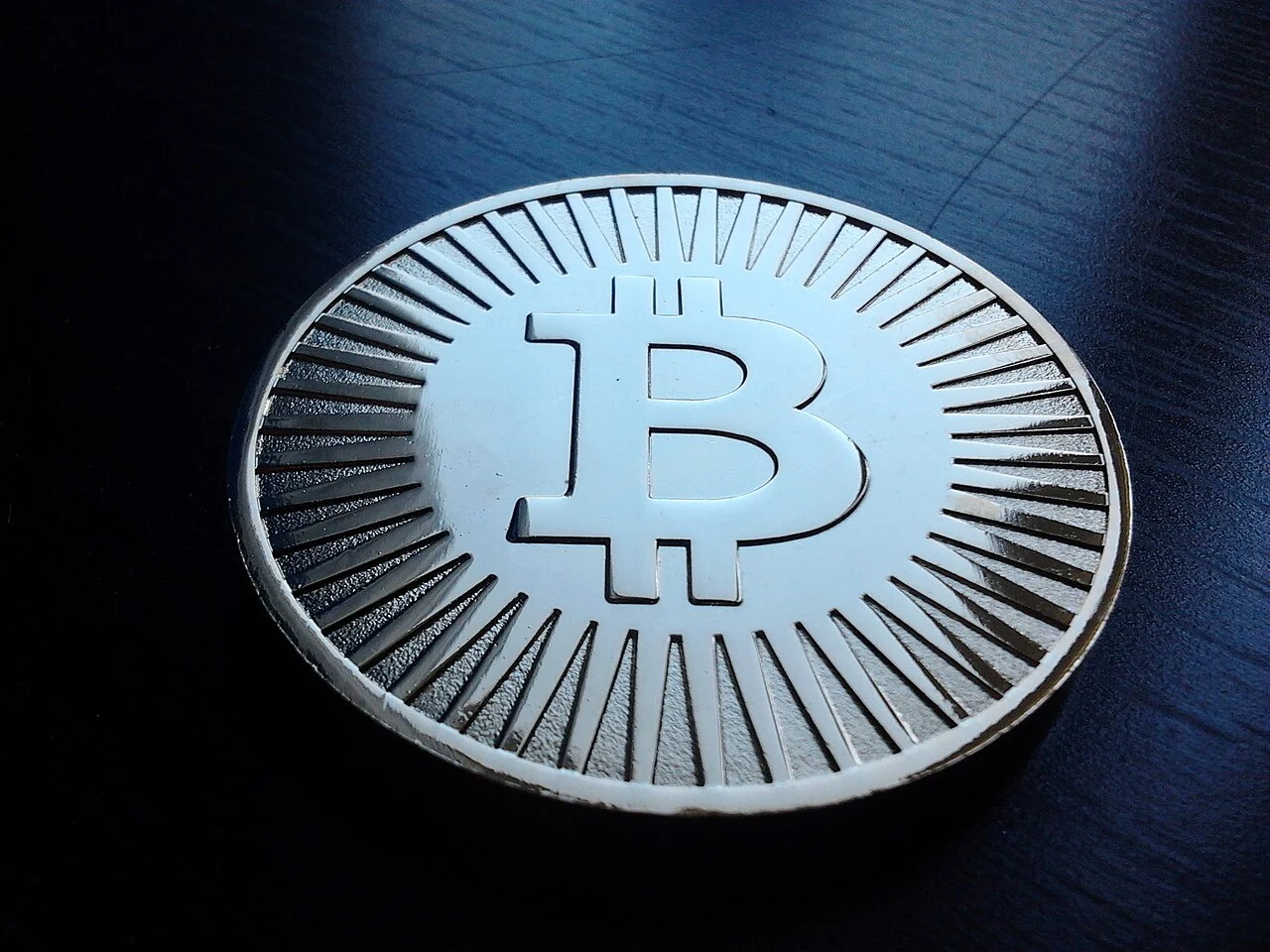

The climb brought enormous wealth to early holders and to the exchanges that had bet on the asset’s legitimacy, and it validated the argument that bitcoin had become too big for regulators to ignore. But the milestone also renewed old warnings: the price had risen more than 130 percent in the year, and the cryptocurrency’s volatility and environmental cost remained exactly as they always had been.