
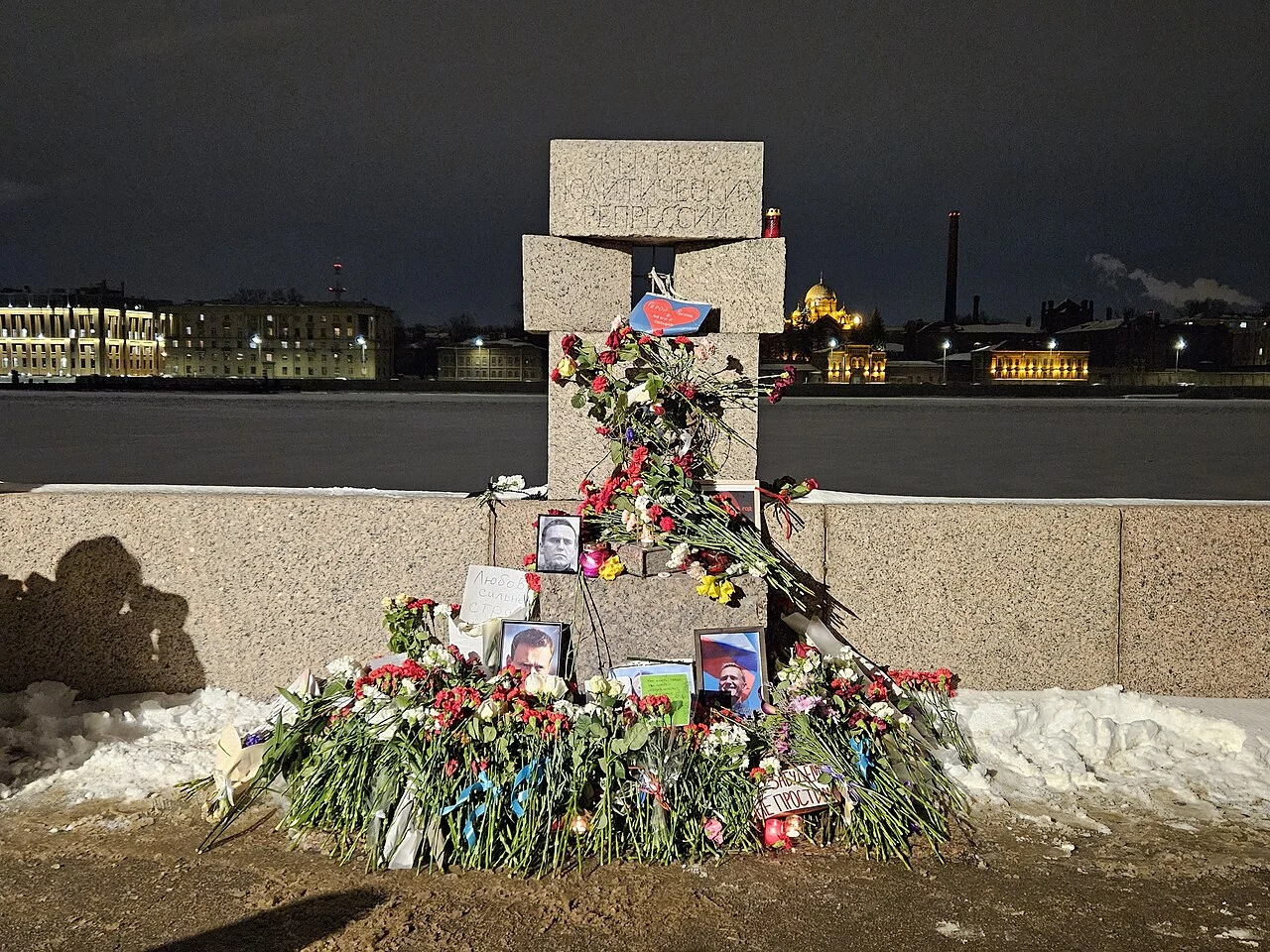
Russia’s federal prison service announced on 16 February 2024 that Alexei Navalny had died at the IK-3 penal colony in Kharp, a settlement inside the Arctic Circle where he was serving a 19-year sentence. He was 47. Navalny had been Russia’s most visible anti-corruption campaigner and, for many, the country’s de facto opposition leader.
His team said his body was held for two weeks before his mother was allowed to claim it, and that it showed marks they said were consistent with a fatal beating. The Kremlin called the death an unfortunate event and denied any state role, while Western governments and observers pointed to the 2020 Novichok poisoning and the pattern of persecution that preceded it.
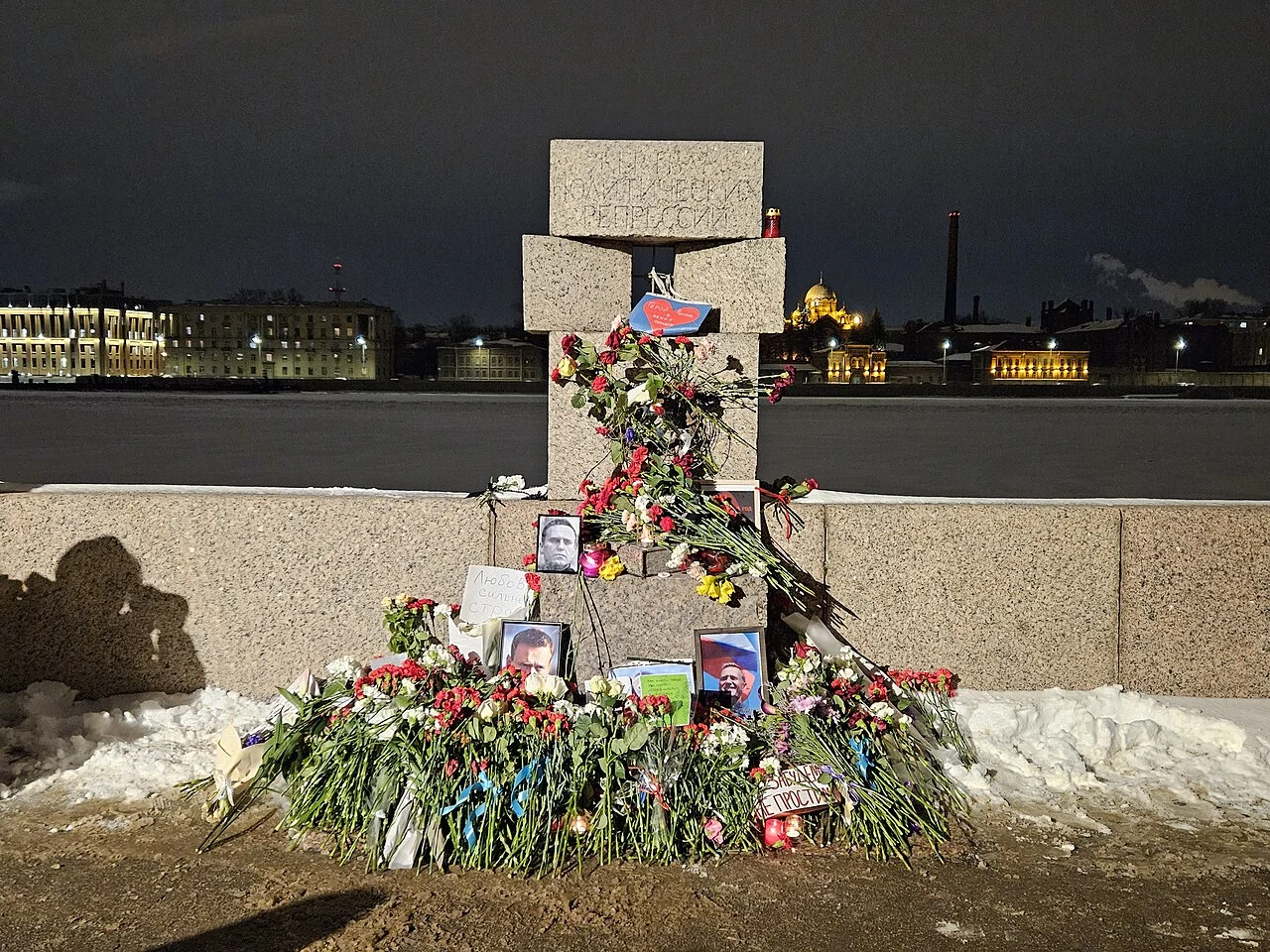

Tens of thousands of Russians queued to lay flowers at memorials in defiance of police pressure, a public outpouring rare in Vladimir Putin’s Russia. The death removed the most recognizable face of organized opposition weeks before an election in which Putin ran virtually unchallenged, and it remains a defining moment in the story of dissent under the Russian state.