
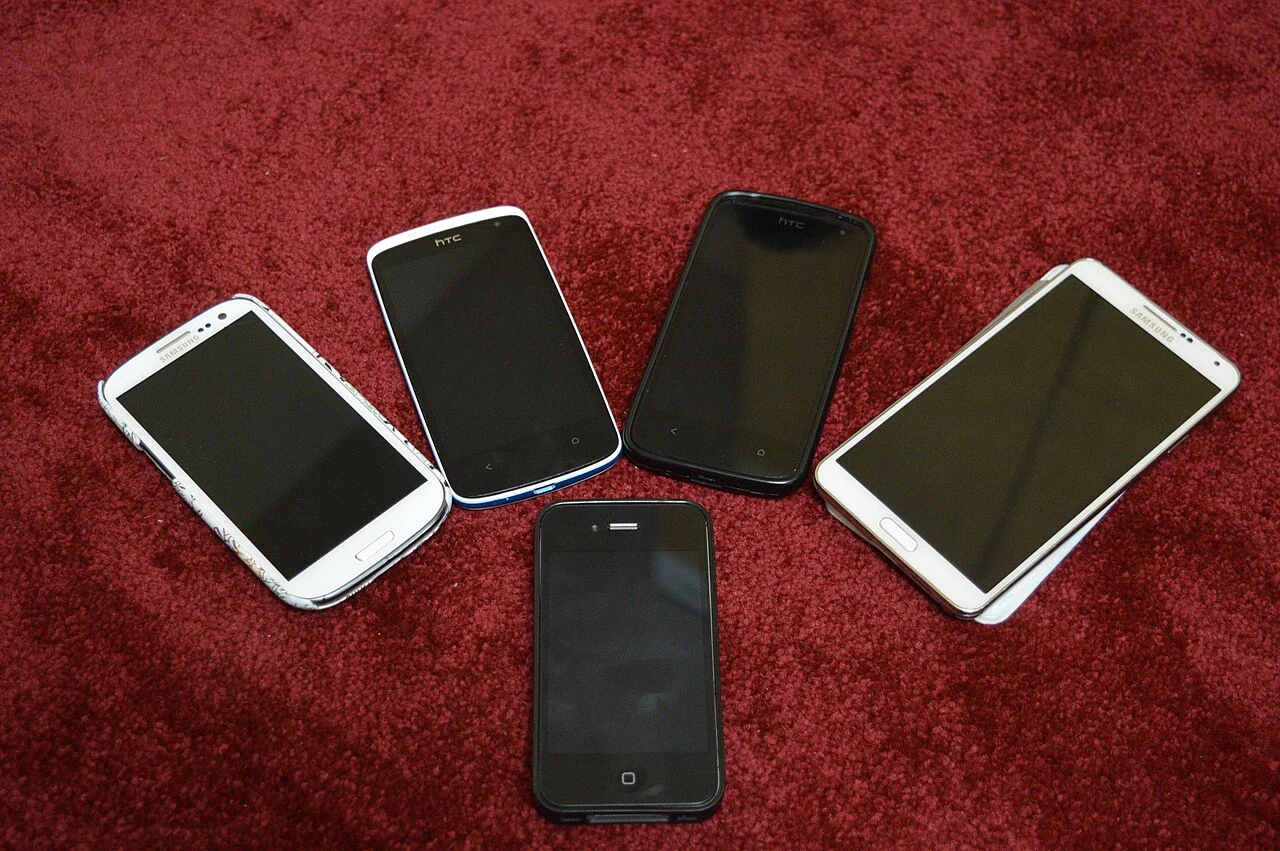
By 2024, the most important footage of almost every major event on Earth was being shot not by professional crews but by ordinary people on their phones. From the streets of Gaza and Ukraine to floods, protests and disasters, amateur video had become the primary raw material of both daily journalism and long-form documentary.
News organisations built entire verification units to authenticate and locate the flood of citizen footage, while documentary makers began to build films almost entirely from it, arranging user-shot material into narratives that no traditional crew could have captured. The result was a new visual grammar of truth, grainy, urgent and unglamorous, but often the closest thing to what actually happened.

The shift raised difficult questions of ethics and evidence: who owns footage shot by a dying person, when should verification yield to compassion, and what happens to the record when the platforms where the footage lives can delete it at a stroke. The filmmakers and editors working with this material were increasingly the archivists of the age, the people deciding what the future would be able to see of its own past.