
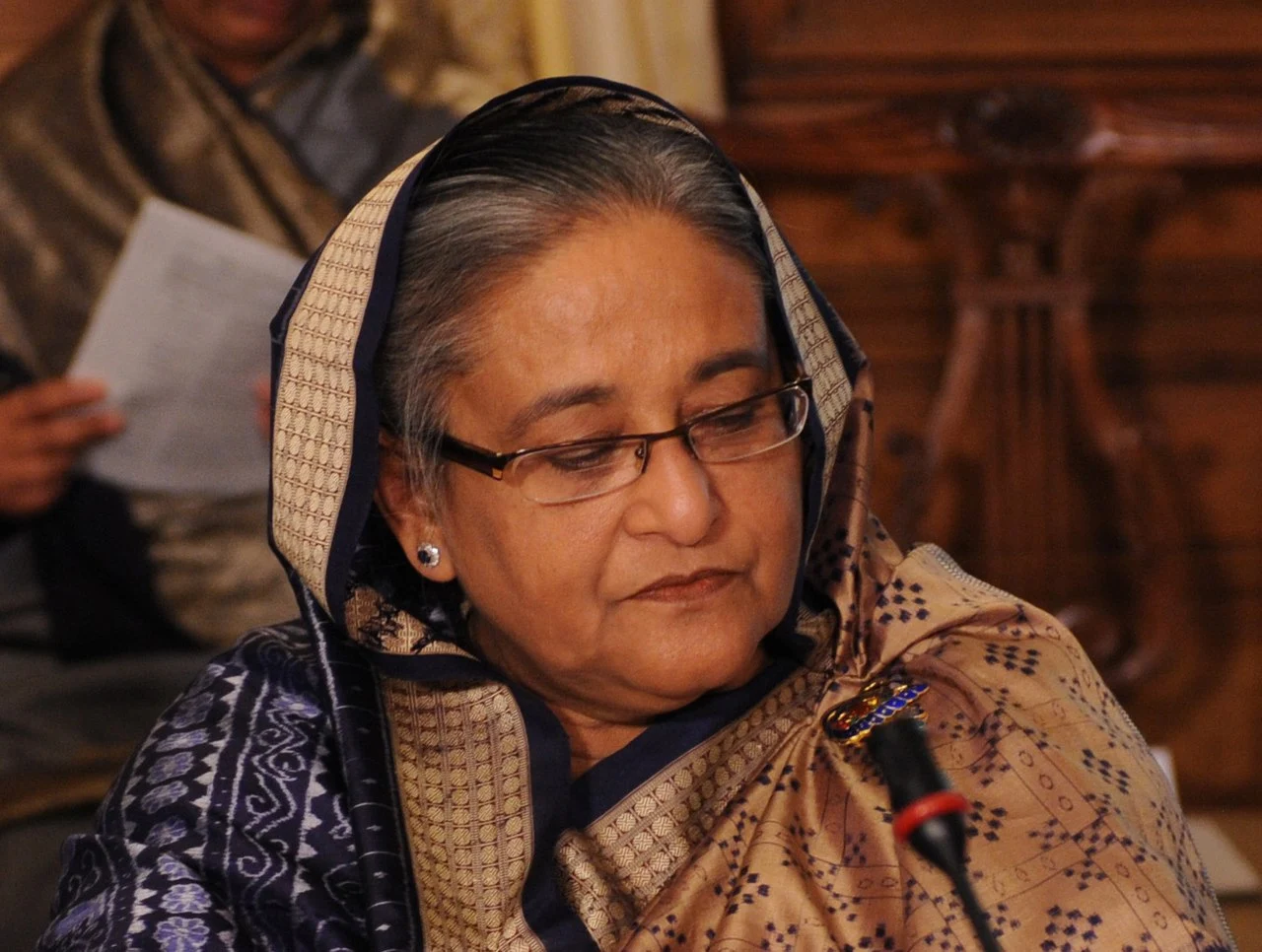
In the early hours of 5 August 2024, Bangladesh’s army chief confirmed what crowds had been chanting for weeks: Prime Minister Sheikh Hasina had resigned and left the country, flown by helicopter to India after a night in which tens of thousands of protesters overran the streets of Dhaka. Her 15-year rule, the longest of any leader in Bangladesh’s history, had ended almost overnight.
The uprising began in July over a controversial quota system for government jobs that students said discriminated against merit, but it swelled into a broader movement against an increasingly authoritarian government, one responsible for what human rights groups documented as systematic disappearances and suppression. Security forces killed more than 300 people during the protests, a toll that only hardened public fury.
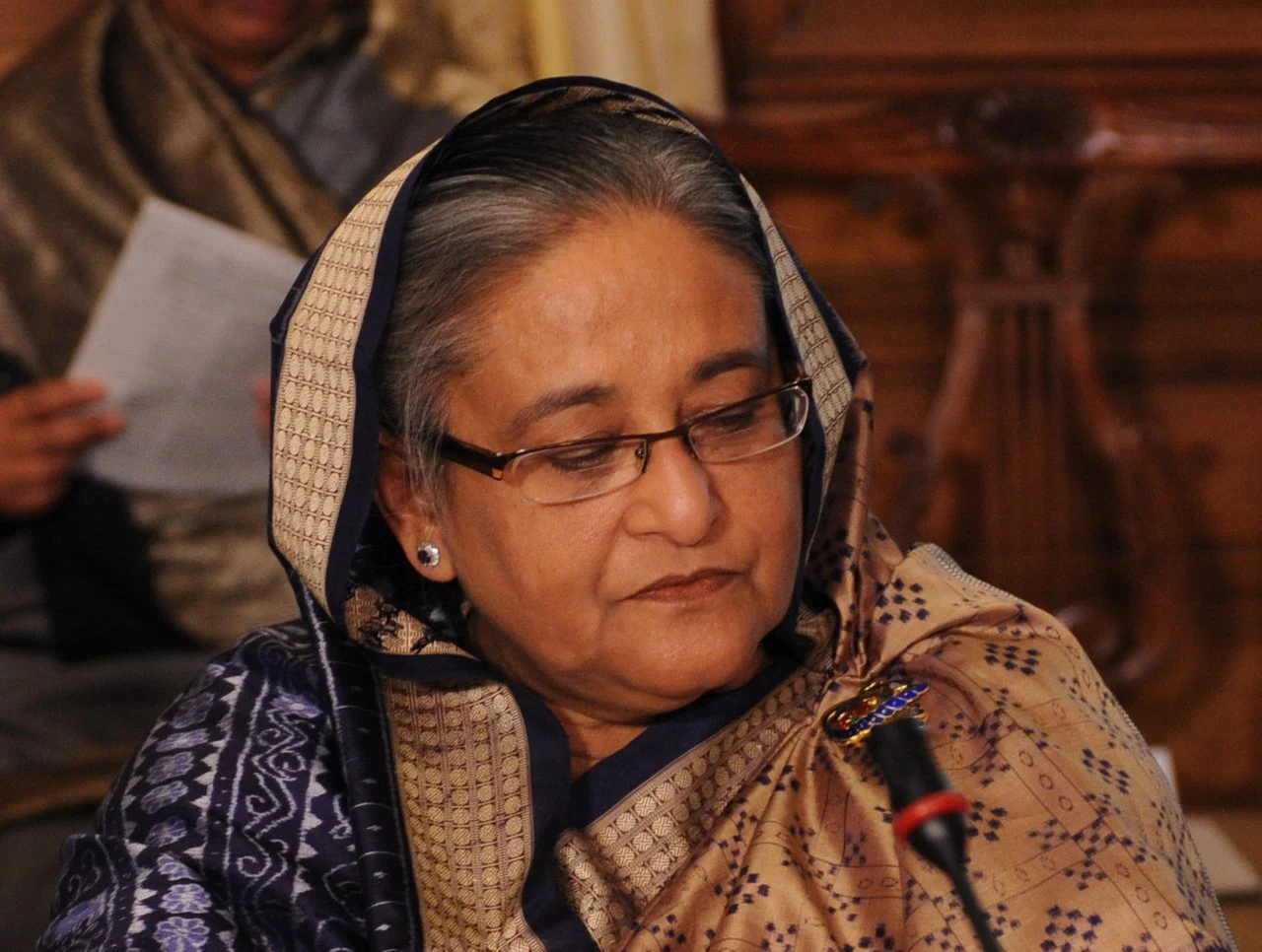

Nobel laureate Muhammad Yunus stepped in as the head of an interim government, and Hasina, who had largely escaped accountability, became the subject of a domestic court request for her extradition from India. The fall of Hasina was one of the swiftest regime changes of the decade, a reminder that even the most entrenched rulers can be toppled when an entire country decides they have overstayed.