
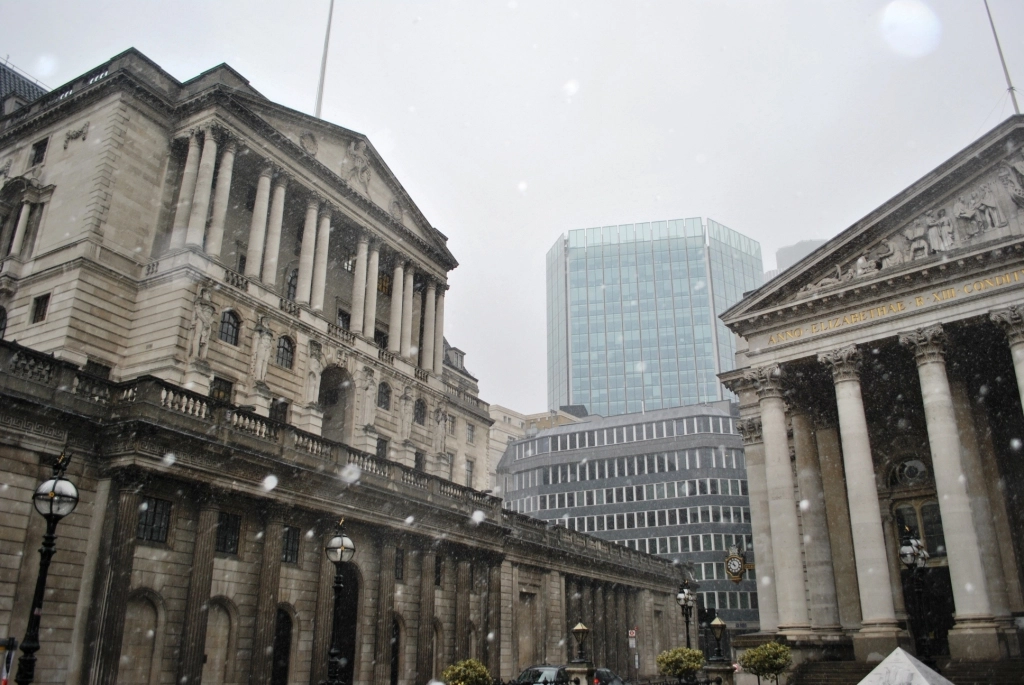
On 6 February 2025, the Bank of England cut its base interest rate by a quarter point to 4.25 percent, its third reduction in a year, responding to cooling inflation and a British economy that had flatlined through the second half of 2024. The decision brought relief to households with tracker mortgages and variable-rate debt.
The cut came as inflation, which had peaked above eleven percent in late 2022, fell back toward the bank’s two percent target, but it was freighted with a warning: the bank signalled that further easing would be gradual, mindful that services prices and wage growth remained sticky and that the tariff policies of the new US administration posed fresh risks to global prices.
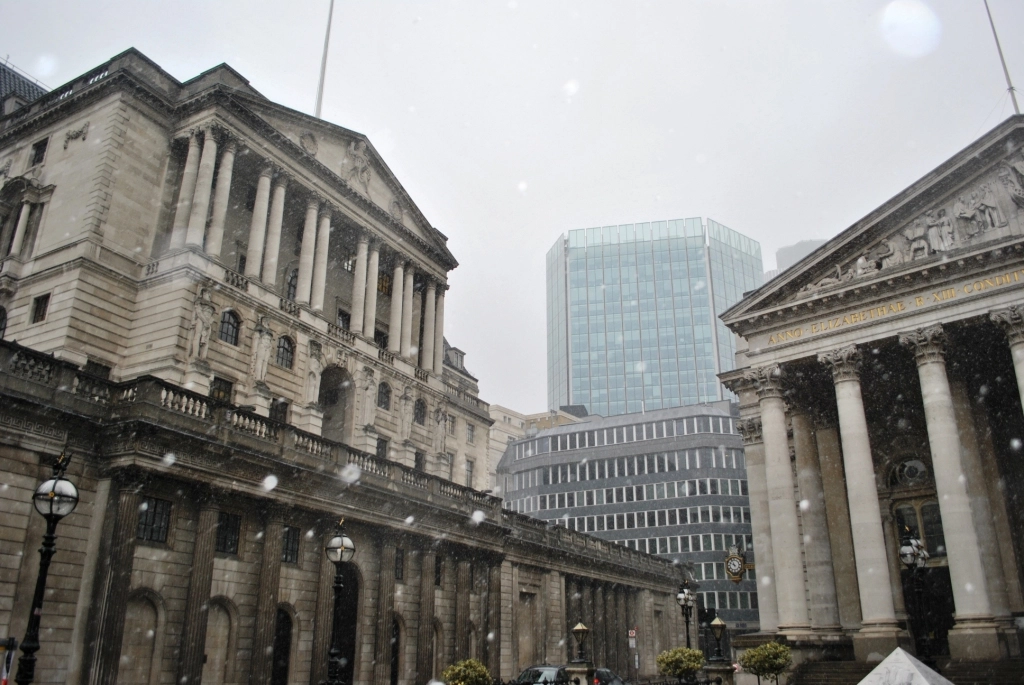

The move was an early signal of the economic terrain the new Labour government would have to navigate: growth had stalled, productivity was weak and public finances were strained. For savers the cut was unwelcome, but for borrowers and the wider economy it was a modest step toward the cheaper money that policymakers hoped would revive investment and lift the country out of its long stagnation.