
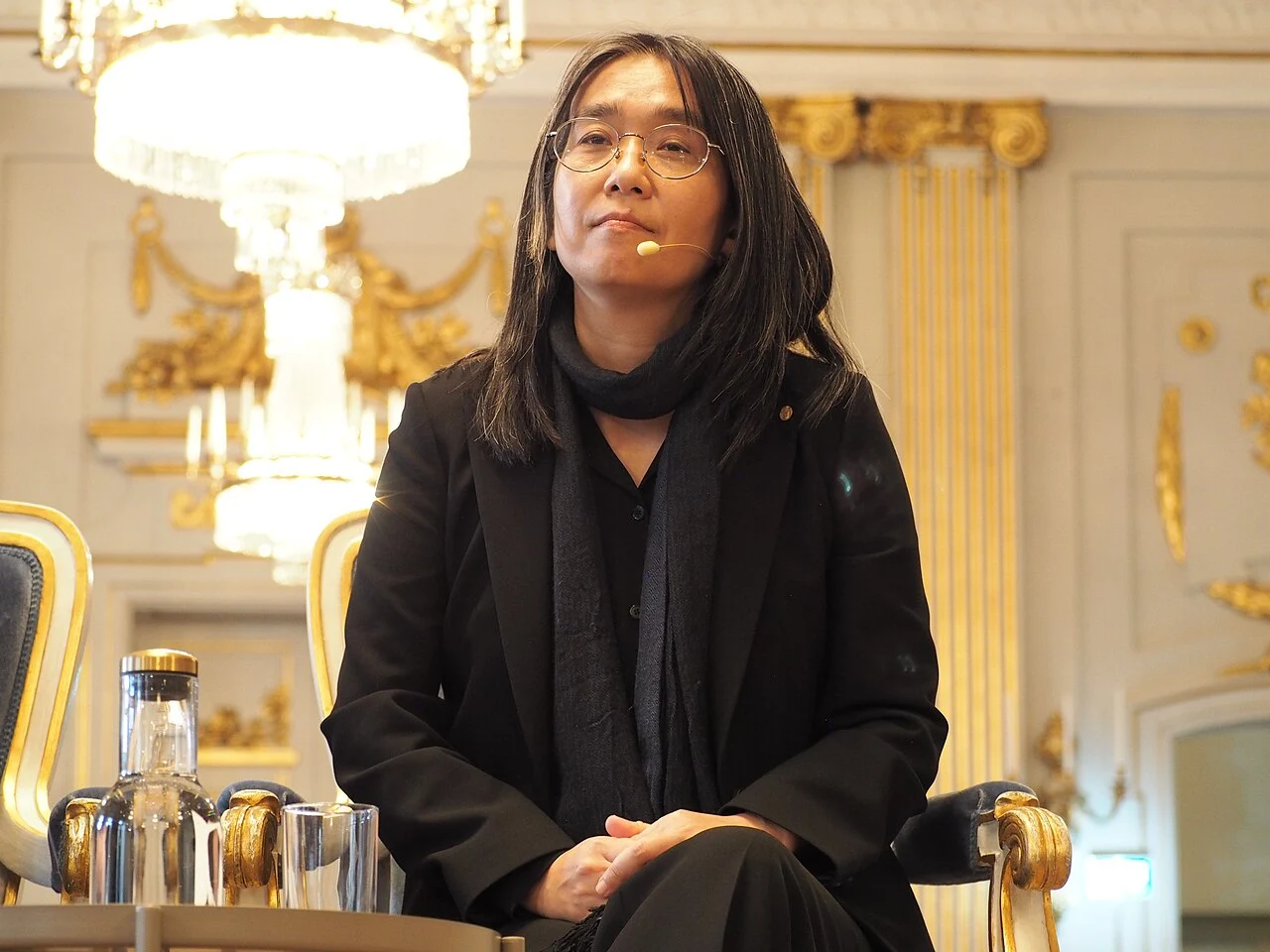
On 10 October 2024, the Nobel Committee awarded the Prize in Literature to South Korean author Han Kang, citing her intense poetic prose that confronts historical traumas and exposes the fragility of human life. She was the first South Korean to win the award, and only the eighteenth woman in its history.
Han, best known internationally for The Vegetarian, which won the International Booker Prize in 2016, had spent her career exploring the body, violence, memory and the limits of language, often through experiments in form. The committee’s citation praised her confrontation of historical traumas, a reference to works like Human Acts, her novel about the 1980 Gwangju massacre, and to her refusal to look away from the cruelties history buries.
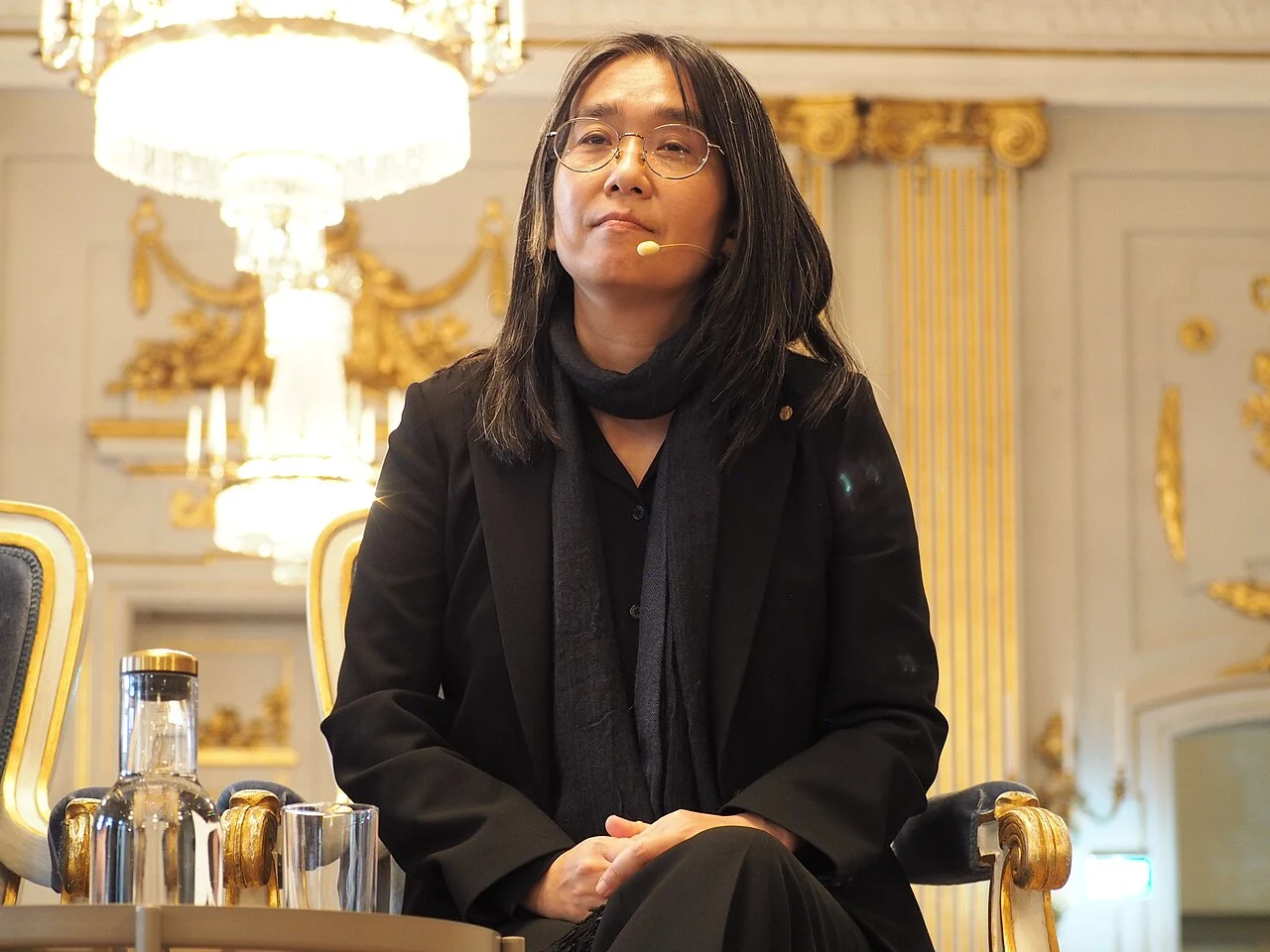

The announcement was greeted with euphoria in South Korea, where her books sold out across the country, and it raised the profile of a writer whose work had long been admired by critics but remained relatively little-known to general readers. The prize was a milestone for Korean literature, and it confirmed Han Kang’s place among the most distinctive voices writing in any language.