
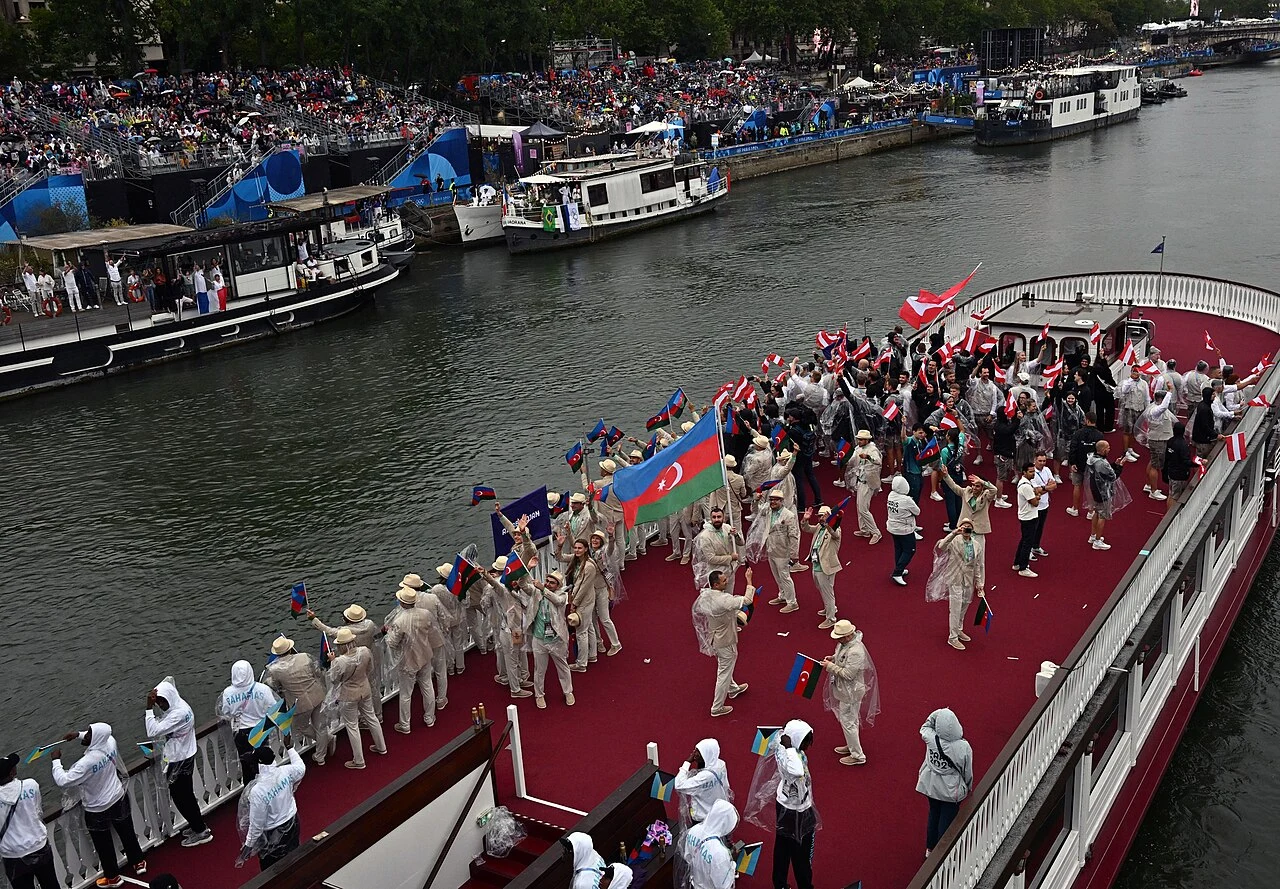
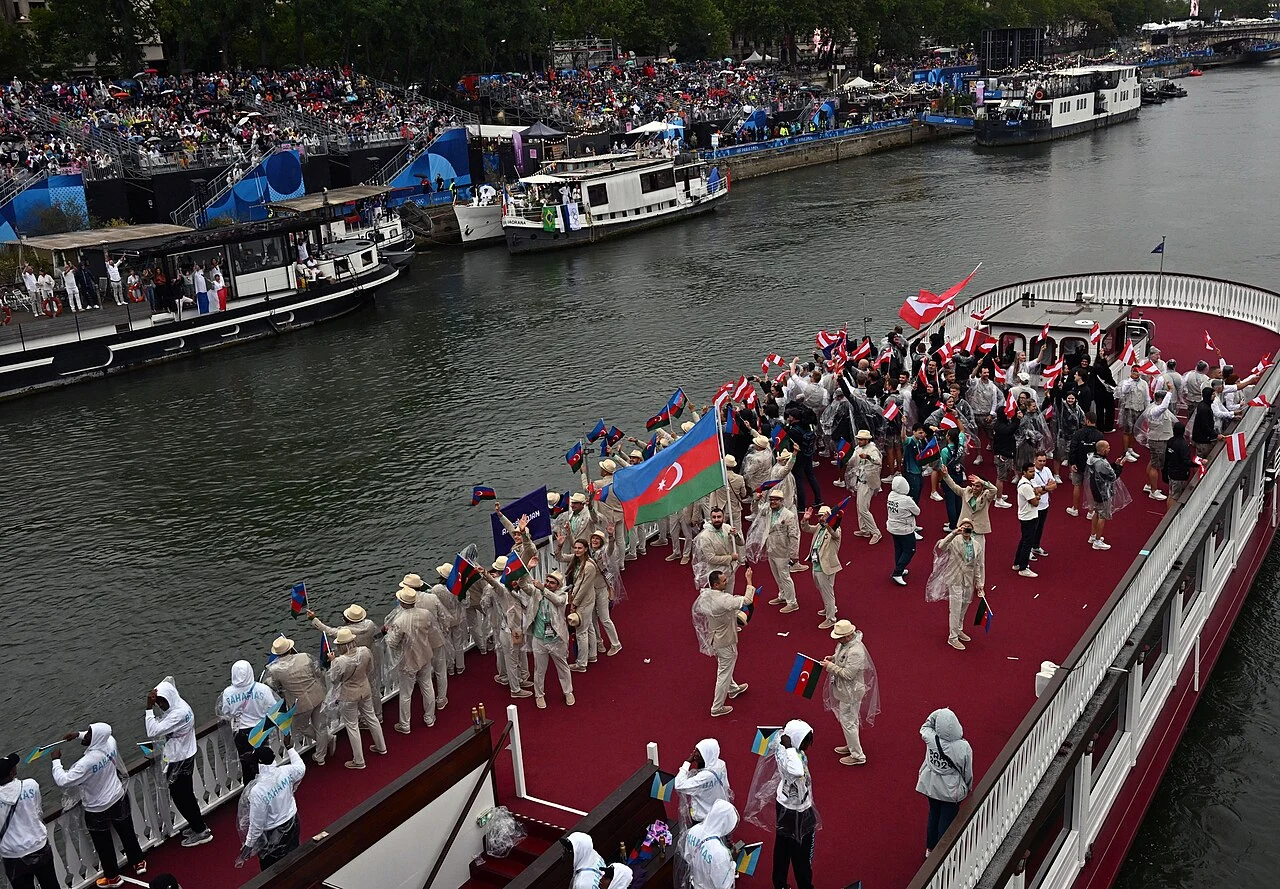
In heavy rain on the evening of 26 July 2024, Paris staged the most ambitious opening ceremony in Olympic history, turning the Seine into a stadium. Around 6,800 athletes travelled down the river in boats past the Louvre, Notre-Dame and the Eiffel Tower, while hundreds of thousands of spectators lined the banks under umbrellas.
The ceremony, directed by theatre-maker Thomas Jolly, swapped the traditional parade into a stadium for a celebration of French culture, from the cancan to heavy metal, culminating with Céline Dion singing Edith Piaf’s L’Hymne à l’amour from the Eiffel Tower as the cauldron, a ring of flame lifted by a hot-air balloon, rose into the night sky.

Underneath the spectacle lay the most tightly guarded event France had ever hosted, with 45,000 police and soldiers deployed amid heightened terror alerts and a series of arson attacks on high-speed rail lines hours before the ceremony. The Games went on to produce world records, unforgettable moments and a rethinking of how a major city can stage the Olympics without building a single permanent stadium.