
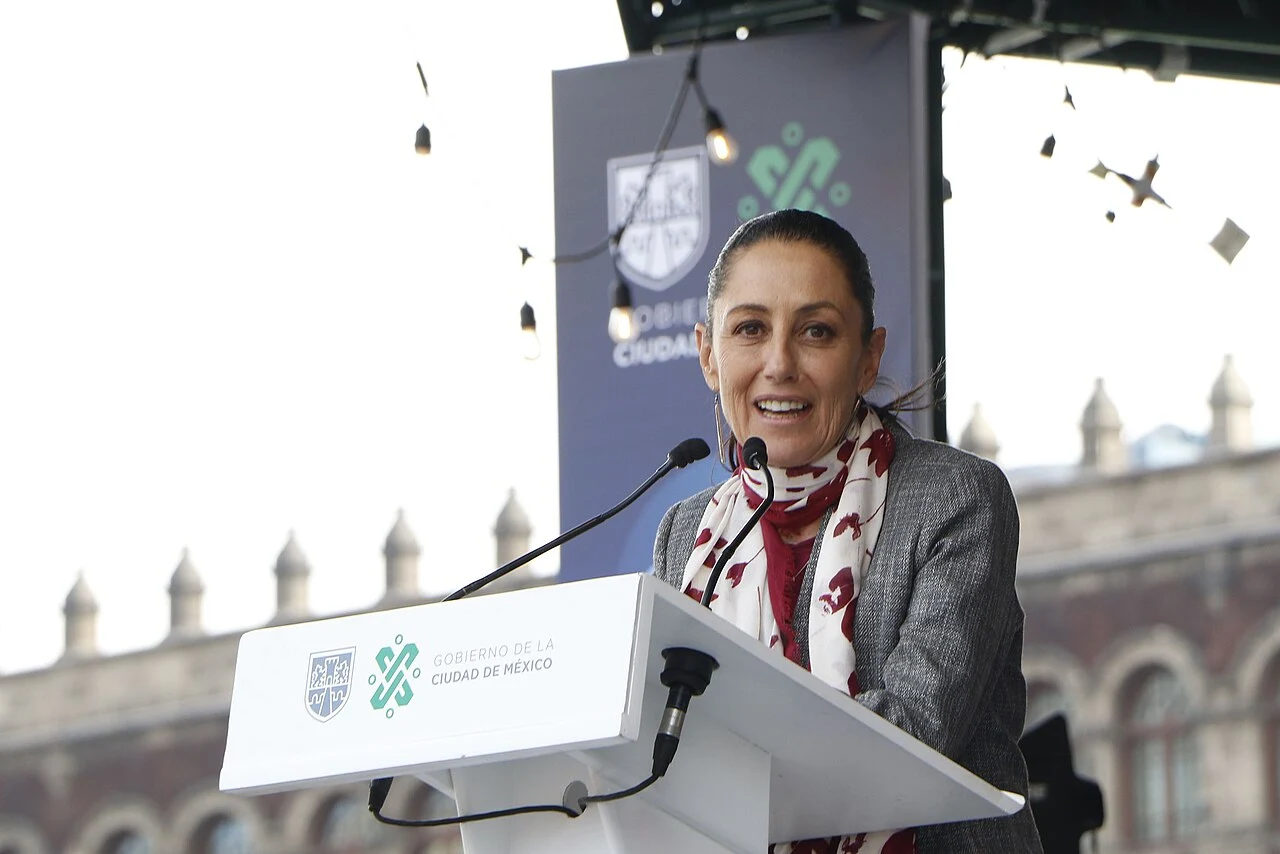
Claudia Sheinbaum, a climate scientist and former mayor of Mexico City, swept to the presidency on 2 June 2024 with more than 59 percent of the vote, the widest margin in modern Mexican history. She was the first woman to lead Mexico and, in a country where running as a woman once seemed nearly impossible, her victory was historic on two counts.
She ran as the continuity candidate for the Morena party of outgoing president Andrés Manuel López Obrador, inheriting a loyal electoral machine and a welfare-state agenda that had transformed politics across the country. Her closest rival, Xóchitl Gálvez, conceded on election night, and Sheinbaum’s party also consolidated control of both chambers of Congress and a majority of state governorships.
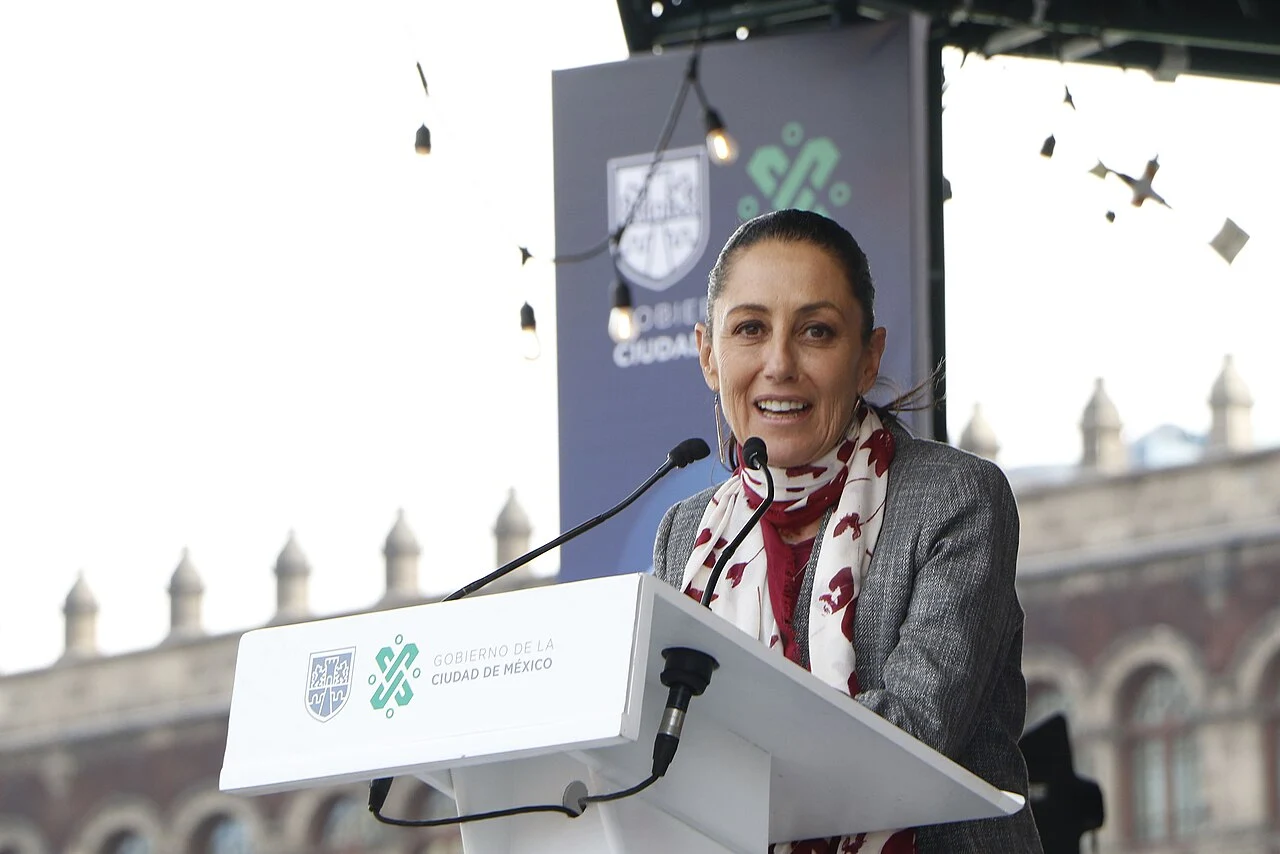

The scale of the mandate handed Sheinbaum enormous power and an equally large question: whether she would govern in the shadow of her hugely popular predecessor or chart an independent course. Her early months were defined by judicial reform, the negotiation of her relationship with Washington over migration and drugs, and her effort to present a competent, disciplined presidency to a country watching closely.