
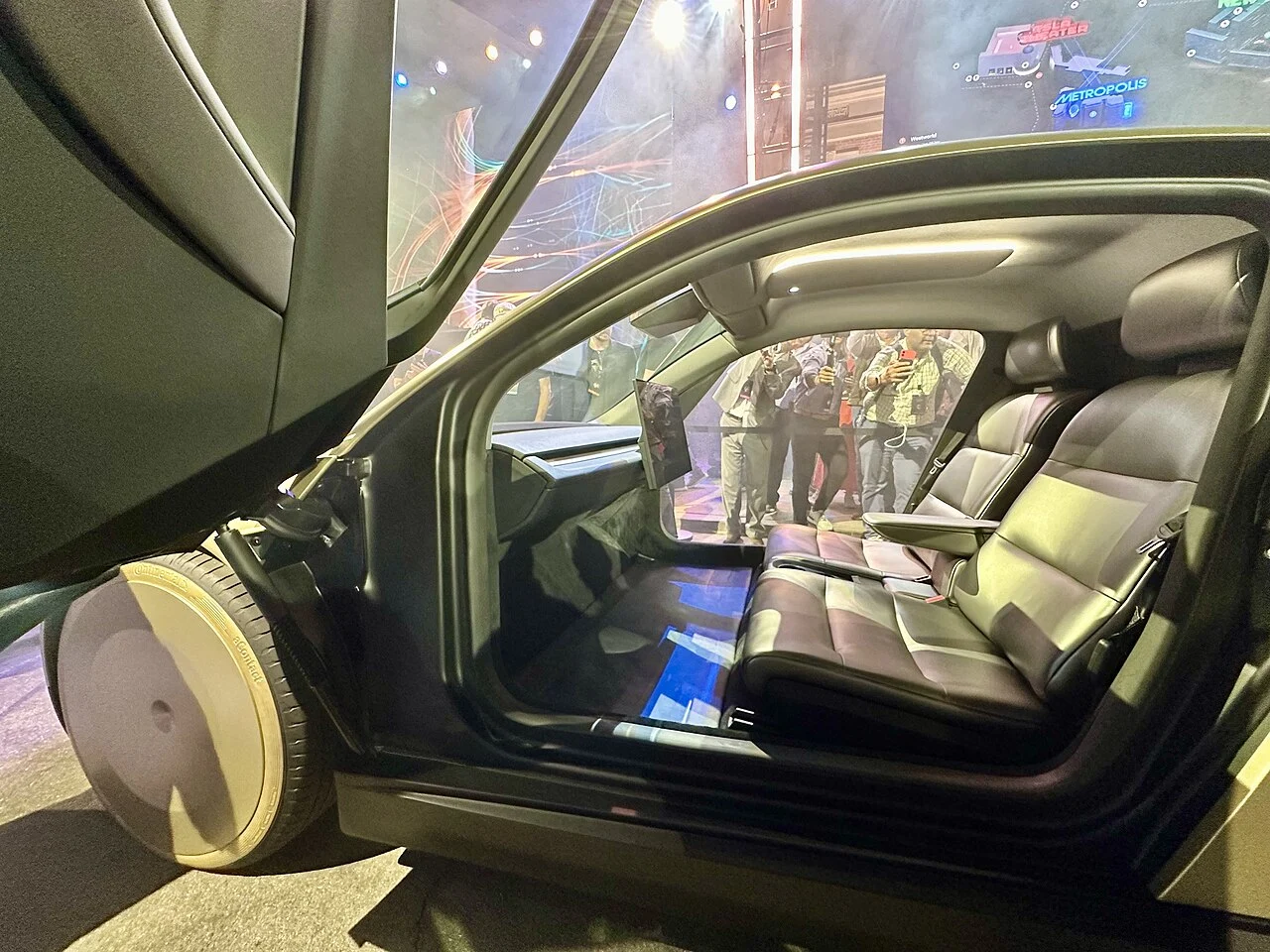
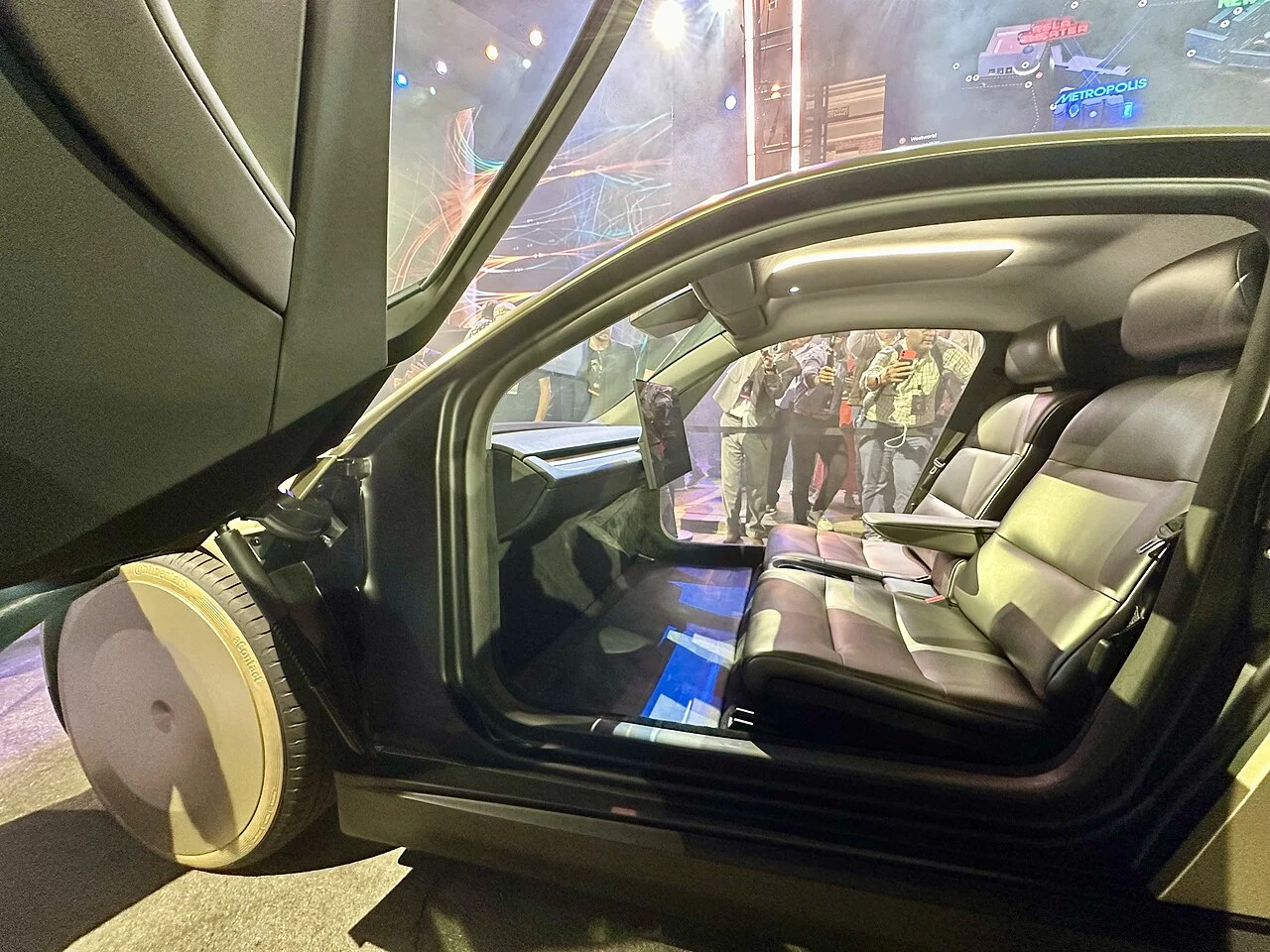
On 10 October 2024, at a film studio near Los Angeles, Elon Musk unveiled the product he said would define Tesla’s future: the Cybercab, a sleek two-seat vehicle with no steering wheel, no pedals, and a door that opens like a butterfly’s wing. He promised production by 2026 at a price under $30,000, and a driverless ride-hailing service that would let owners’ cars earn money while they slept.
The event, titled We, Robot, was a masterclass in Musk’s vision and vagueness. The Robotaxi was shown off on a closed set where it drove along fixed paths, and Musk offered no regulatory approval, no crash data and no clear cost projections, instead promising a future in which parking lots became parks and the cost of transport fell to the price of a bus ticket.

Investors, who had pushed Tesla’s valuation back above $700 billion in anticipation, sent the stock down more than eight percent the next day, disappointed by the thin detail. The unveiling nonetheless framed the central question facing Tesla: whether the company was a carmaker with a cash-flow engine, or an AI bet with a car attached, and how much of its enormous valuation rested on promises still years from delivery.