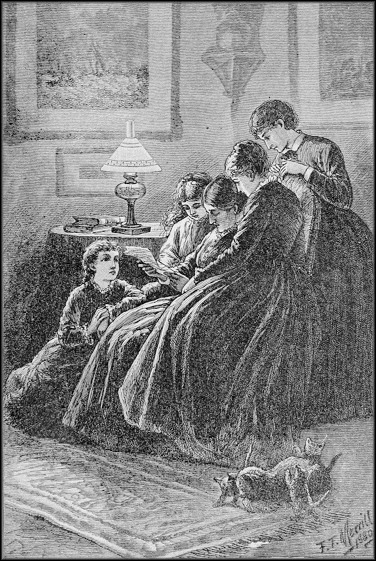
The household in Little Women is a place of affection, but it is also a place where different futures compete for room. Meg, Jo, Beth and Amy do not want interchangeable lives. Their differences prevent the family from becoming only a comforting picture.
Louisa May Alcott’s novel appeared in two parts in 1868 and 1869. Work, money and artistic ambition run through its domestic episodes. Jo’s writing is one clear example, but the larger question belongs to all four sisters: what does a worthwhile life look like when desire meets obligation?
The importance of ordinary episodes
The book often proceeds through visits, experiments, arguments and small disappointments. Those scenes let character develop through repetition. A person’s values become visible in how she responds when generosity or patience is inconvenient.
The moral instruction can feel direct to a modern reader. It is more rewarding to notice where an episode remains complicated despite its stated lesson. Affection does not automatically settle the disagreement between self-expression and duty.
Four sisters, more than one reading
Readers may return at different ages with different loyalties. Jo’s independence can dominate a first encounter; another reading may give more attention to Amy’s discipline or Meg’s negotiations with status and comfort.
The novel’s durability lies partly in that shifting balance. Growing up does not produce one correct ambition. It changes the terms on which a person can pursue, revise or defend the future she imagines.
Text and records consulted: Louisa May Alcott, Little Women, illustrated edition.
Image: Historic Little Women frontispiece, They all drew to the fire. Public-domain illustration. Image record. Archival image; not a photograph of a current event.