
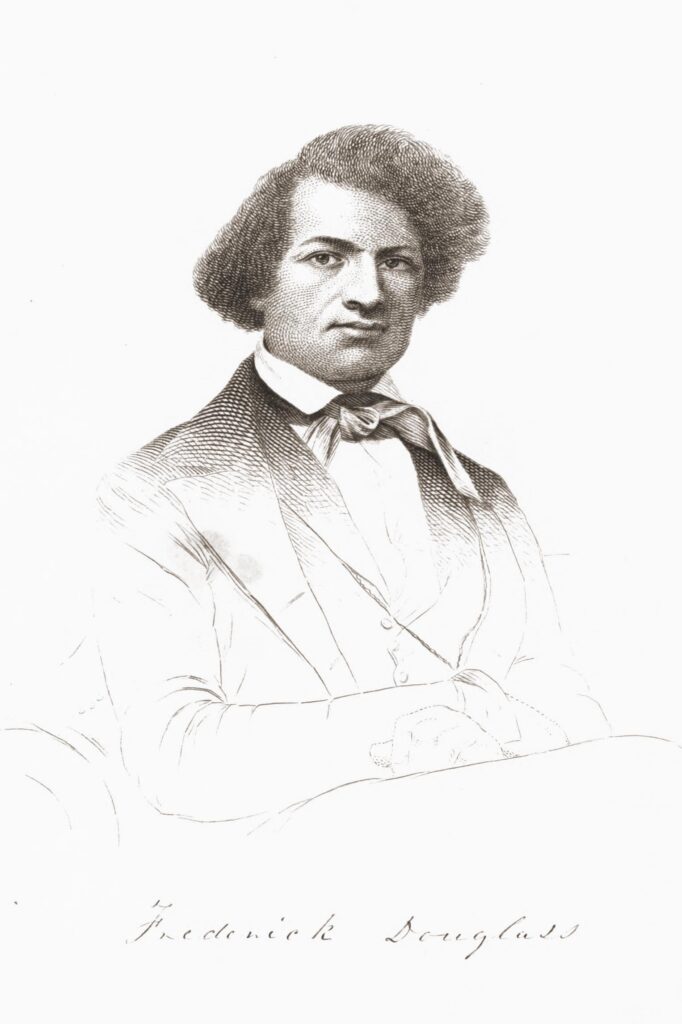
In Frederick Douglass’s Narrative, literacy is not presented as a decorative accomplishment. Learning to read alters what he can understand about the system that enslaves him and about the possibility of opposing it.
Published in 1845, the book recounts enslavement, violence and the struggle toward freedom. Its force comes from the relationship between an individual life and the institutions that attempt to define that life from outside.
Who controls the account?
Douglass repeatedly shows that power involves control of information. Denying knowledge is not an accidental feature of slavery; it helps preserve dependence. The narrative itself becomes a counteraction, organizing experience in the voice of the person whom the system sought to silence.
Reading also brings pain. Greater understanding does not immediately provide a route out. The gap between recognizing injustice and possessing the means to escape it gives the account much of its pressure.
Testimony with boundaries
Douglass does not offer every detail a curious reader might request. His treatment of escape reminds us that disclosure can endanger others. An autobiography can be truthful while refusing to satisfy every demand for access.
This is an essential work of history and an exacting study of authorship. Read for the deliberate choices in its construction: what Douglass explains, what he challenges and what he reserves. The right to tell a life includes the right to set the terms of its telling.
Text and records consulted: Frederick Douglass, Narrative of the Life of Frederick Douglass.
Image: Frederick Douglass frontispiece, 1845. Public-domain engraving. Image record. Archival image; not a photograph of a current event.
.jpg)