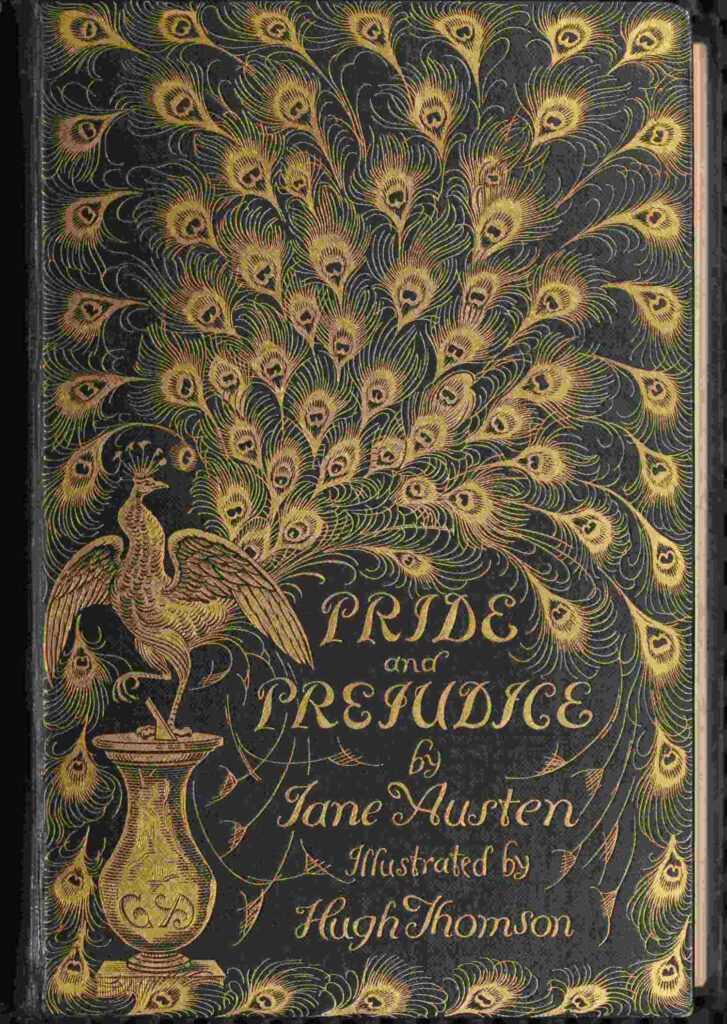

An archival photograph can establish atmosphere in a documentary. It can also seem to confirm a claim that it does not actually support. The distinction depends partly on how the film places the image beside words and other images.
Sequence creates an implication
A shot of an impressive library followed by a statement about educational access may encourage the viewer to connect the two. Yet architecture alone does not establish who could use the building or under what conditions.
That connection needs evidence. Without it, an attractive illustration can become an accidental assertion.
Keep the image’s identity
Dates and locations matter even when a picture is used to introduce a broader theme. A scene from one city should not quietly become proof of an event in another. A photograph made decades later should not be presented as a record of the earlier moment being narrated.
None of this prevents expressive editing. It gives the filmmaker a clearer relationship to the material. An image can be illustrative, comparative or evidentiary, provided its role is not confused.
For viewers, a useful habit is to ask what a sequence has actually demonstrated. The strongest documentary work can withstand that question because its emotional effect and its evidentiary basis support one another.
Image: Highsmith, Carol M., 1946-, photographer. 2012 September.. Library of Congress. No known restrictions on publication. Image record. Archival image; not a photograph of a current event.