Jane Eyre has little institutional power when her story begins. Other people define her place, judge her conduct and decide what she may expect. The novel gives her something they cannot finally control: the narrative voice through which those judgments reach us.
Published in 1847 under the name Currer Bell, Charlotte Brontë’s novel follows Jane from childhood into work as a governess and a relationship with Rochester. Its intensity comes partly from the distance between Jane’s outward position and the force of her inward account.
Independence as a practical problem
Jane’s principles are tested by material conditions. Shelter, employment and affection do not arrive independently of one another. Refusing a relationship can therefore mean refusing a whole arrangement for living.
The book asks readers to take those choices seriously. An assertion of self-respect is not simply an inspiring sentence; it can carry immediate costs.
A reading that leaves room for discomfort
Jane’s voice is compelling, but a careful reading also attends to the people who receive less freedom to explain themselves. Bertha Mason’s treatment is a particularly important limit to examine. Admiring the narrator need not mean accepting every boundary of the narrative’s sympathy.
Read this novel for the pressure inside its address to the reader. Jane is not only describing what happened. She is claiming the authority to decide which parts of her life require explanation, resistance and judgment.
Text and records consulted: Charlotte Brontë, Jane Eyre.
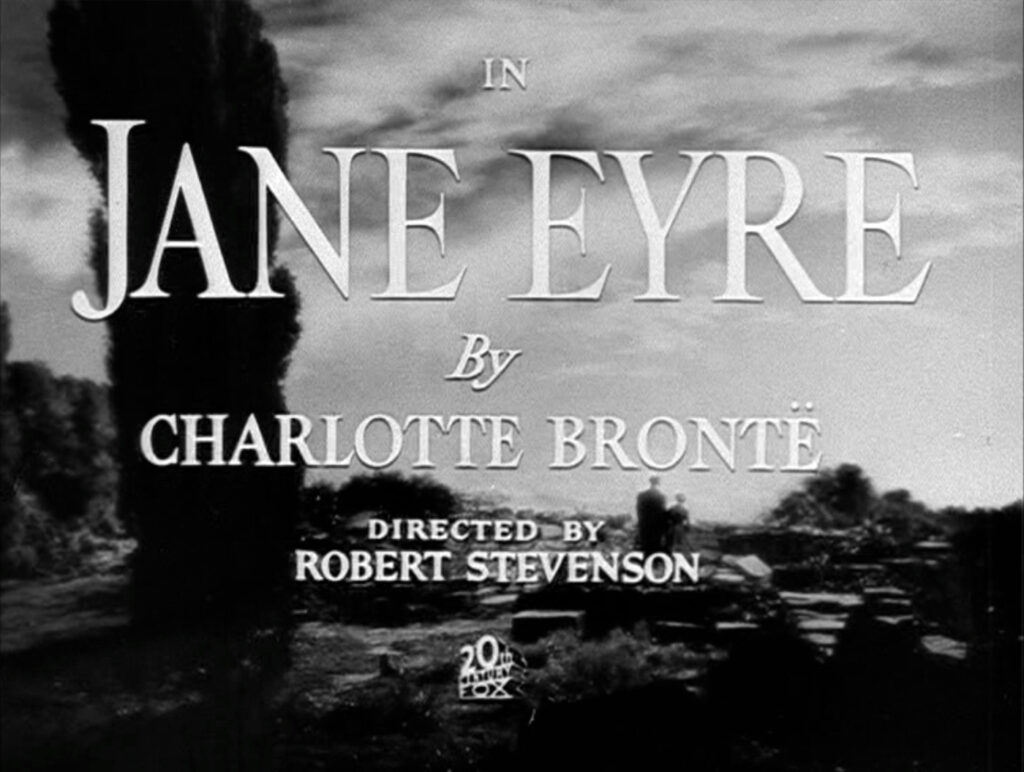
Image: Historic Jane Eyre title-page scan. Public domain. Image record. Archival image; not a photograph of a current event.