A first-person novel contains more than one version of its speaker. There is the person experiencing an event and the narrator choosing how to recount it. Listening to Jane Eyre makes that distance a useful thing to notice.
Retrospection has a sound
A performer can give a remembered scene immediate emotional force while allowing the narration to retain a measure of control. Pace and emphasis help distinguish a feeling from the later judgment of that feeling.
Too much separation can make the account seem detached. Too little can obscure the fact that a life is being deliberately narrated rather than simply overheard.
Listen for the address
Jane’s relationship with the reader is part of the novel’s design. Direct address can feel confidential, assertive or explanatory depending on how a sentence is delivered. It is worth noticing those shifts rather than listening only for changes in character voices.
This is a guide to listening closely, not a review of a named recording. Different performances can make defensible choices. Compare a short passage while following the printed text and ask where the voice changes your sense of authority, vulnerability or distance. The exercise makes visible how much interpretation already belongs to the act of reading aloud.
Text and records consulted: Charlotte Brontë, Jane Eyre.
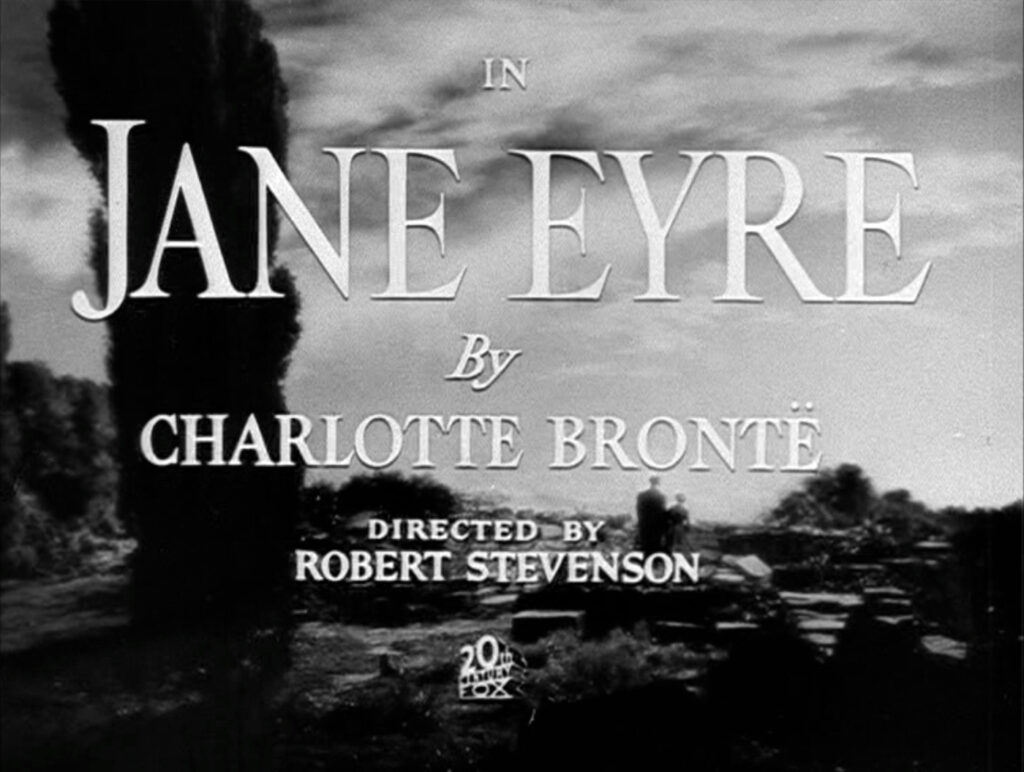
Image: Historic Jane Eyre title-page scan. Public domain. Image record. Archival image; not a photograph of a current event.