Buying a classic is not always a choice between different stories. It can be a choice between different ways of receiving the same story. Type size, paper, notes and editorial material all affect how comfortably a reader can work through a book.
Identify what you need
A first reading may benefit from a clean page and a short introduction. A course or reading group may require a particular edition so that page references and explanatory notes align. A collector may care most about the object itself.
These are different uses. An edition that serves one well can make another unnecessarily difficult. More supplementary material does not automatically mean a better choice.
Check before comparing prices
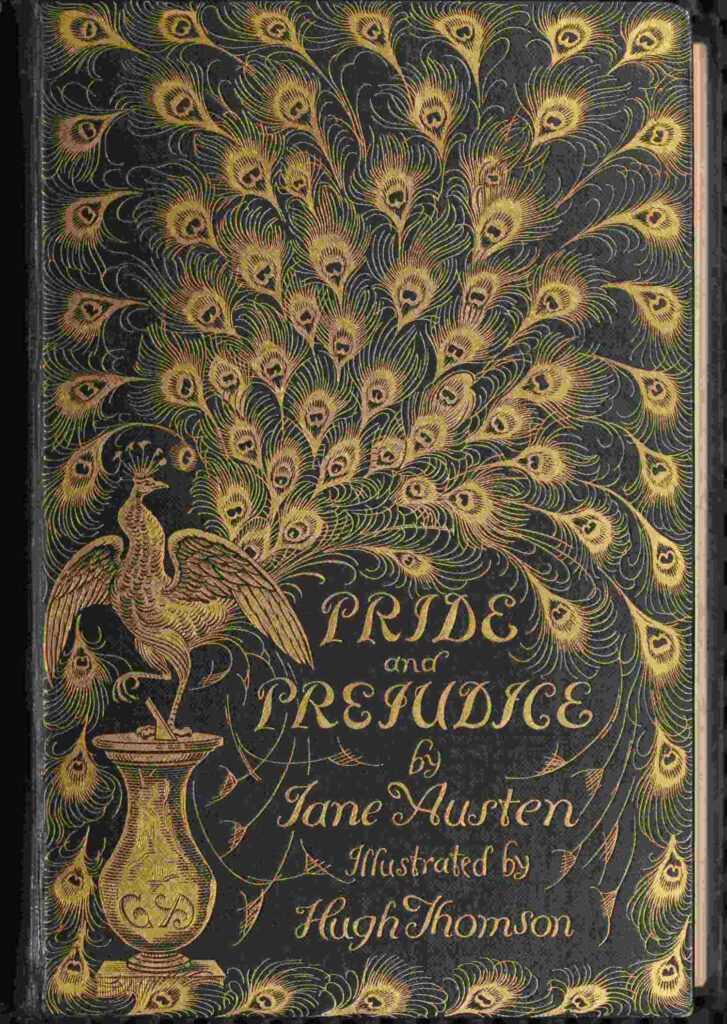
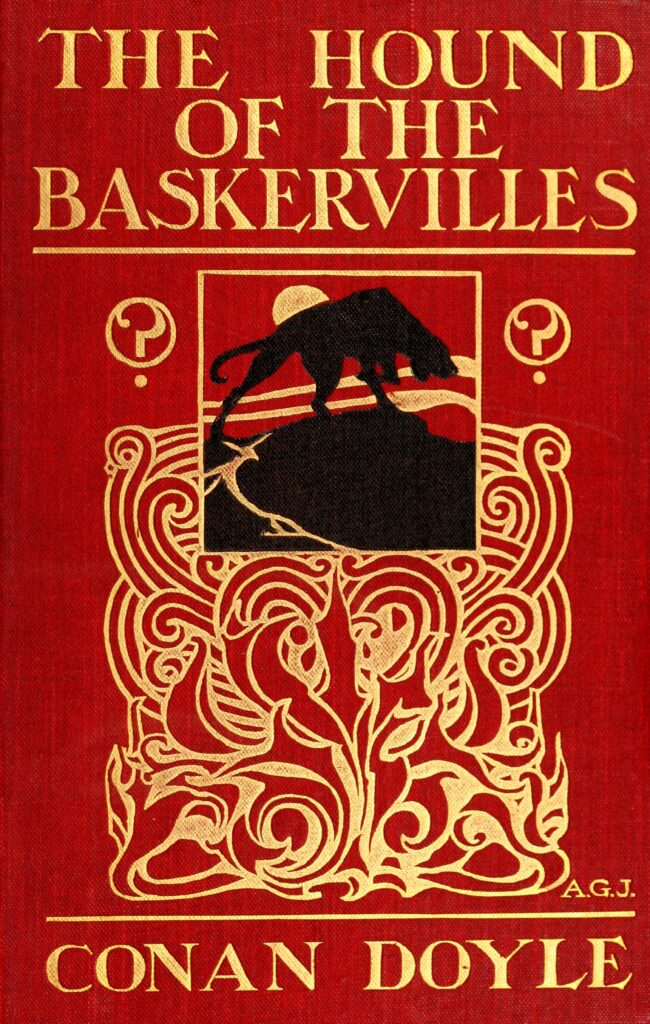
Look at the publication details, the editor or translator where relevant, and a sample page. Establish whether the text is complete. If a book contains illustrations, check whether they belong to the historic edition or to a later treatment.
The useful comparison is between books that meet the same need. A low purchase price is only one part of value if the print is uncomfortable or essential material is missing.
For a reader building a small personal library, a considered edition can be a better purchase than a more imposing stack of books chosen by title alone.
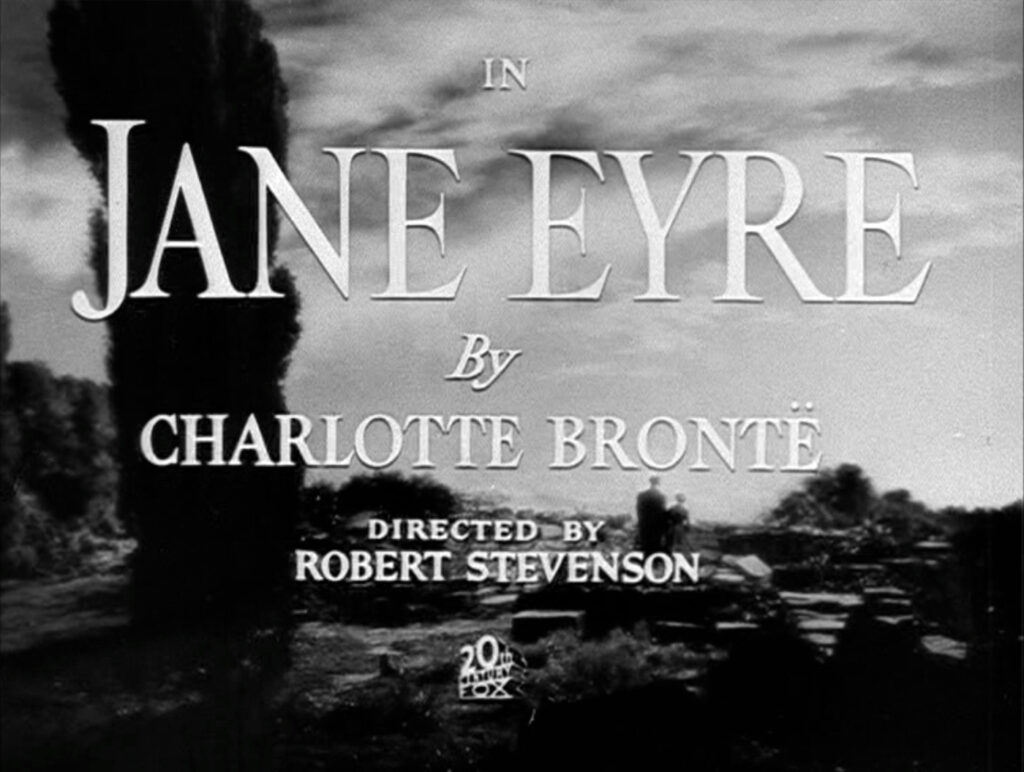
Text and records consulted: Jane Eyre, text and illustrated edition record.
Image: Historic Jane Eyre title-page scan. Public domain. Image record. Archival image; not a photograph of a current event.